Welcome to SARGANDHA • Join as a Partner →
Play
सनातन धर्म में दैनिक पूजा का महत्व और विधि

सनातन धर्म में दैनिक पूजा का महत्व और विधि

S

Sargandha admin

2 months ago

216 views ·2 months ago
#Spiritual

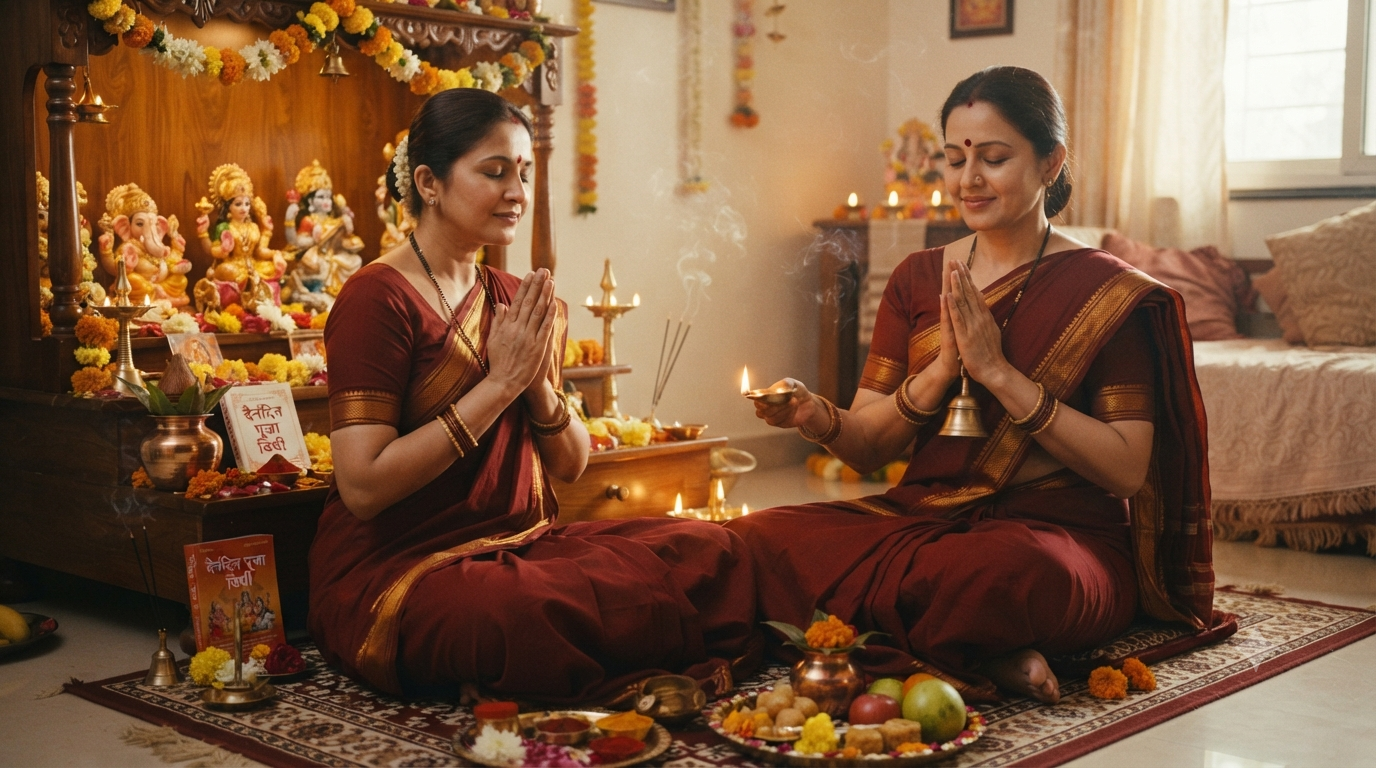
एक दैनिक पूजा को सार्थक होने के लिए विस्तृत होना आवश्यक नहीं है — इसके मूल में कृतज्ञता और जुड़ाव का एक शांत, निरंतर कार्य है। अधिकांश परंपराएं पूजा स्थान की सफाई और दीपक तथा धूप जलाने से शुरू होती हैं, इसके बाद चुने हुए देवता की उपस्थिति और आशीर्वाद के लिए एक संक्षिप्त आह्वान किया जाता है। फूल, जल, कुमकुम का तिलक और नैवेद्य (भक्तिभाव से अर्पित भोजन) जैसी वस्तुएं हाथ जोड़कर अर्पित की जाती हैं, प्रायः किसी प्रिय मंत्र या आरती के साथ। क्रम — शुद्धिकरण, आह्वान, अर्पण और समापन प्रार्थना — इसके पीछे की सच्ची भावना जितना महत्वपूर्ण नहीं है; हर सुबह के पांच एकाग्र मिनट भी शेष दिन को स्थिर कर सकते हैं। कई परिवार एक निश्चित समय, आमतौर पर सूर्योदय, रखते हैं ताकि यह अनुष्ठान कभी-कभार के दायित्व के बजाय एक स्थिर आदत बन सके। अंततः, दैनिक पूजा समारोह से कम और जीवन की दिनचर्या के बीच चिंतन, विनम्रता तथा कृतज्ञता के लिए एक नियमित विराम विकसित करने से अधिक संबंधित प्रस्तावना

भारतीय संस्कृति में पूजा-पाठ का विशेष महत्व है। सुबह उठकर भगवान का स्मरण करना और अपने घर के मंदिर में पूजा करना एक सुंदर आध्यात्मिक परंपरा है। दैनिक पूजा केवल धार्मिक अनुष्ठान नहीं, बल्कि मन को शांति देने, सकारात्मक विचारों को बढ़ावा देने और दिन की शुरुआत श्रद्धा के साथ करने का एक माध्यम भी है।

बहुत से लोग सोचते हैं कि रोज़ पूजा करने के लिए लंबी विधि या बहुत सारी सामग्री की आवश्यकता होती है। लेकिन वास्तव में, आप कुछ आवश्यक पूजा सामग्री और सरल विधि से घर पर प्रतिदिन भगवान की पूजा कर सकते हैं।

इस लेख में हम जानेंगे कि दैनिक पूजा कैसे करें, इसके लिए कौन-कौन सी सामग्री चाहिए और पूजा करते समय किन बातों का ध्यान रखना चाहिए।

1. सुबह उठकर भगवान का स्मरण करें

दैनिक पूजा की शुरुआत सुबह उठने के बाद भगवान का स्मरण करने से करें।

  • सुबह जल्दी उठने का प्रयास करें।
  • स्नान करके स्वच्छ वस्त्र पहनें।
  • पूजा स्थल को साफ रखें।
  • शांत मन से अपने इष्ट देव का ध्यान करें।

पूजा शुरू करने से पहले मन में श्रद्धा और सकारात्मक भाव रखना महत्वपूर्ण है।

2. पूजा स्थल की सफाई करें

घर के मंदिर या पूजा स्थान को प्रतिदिन साफ करना चाहिए।

  • भगवान की मूर्तियों और तस्वीरों को साफ कपड़े से साफ करें।
  • पूजा चौकी को स्वच्छ रखें।
  • पुराने और सूखे फूल हटा दें।
  • दीपक और अगरबत्ती रखने वाले स्थान को साफ करें।
  • ताजे फूलों से मंदिर को सजा सकते हैं।

स्वच्छ पूजा स्थल से पूजा का वातावरण सुंदर और शांतिपूर्ण बनता है।

3. दैनिक पूजा के लिए आवश्यक सामग्री

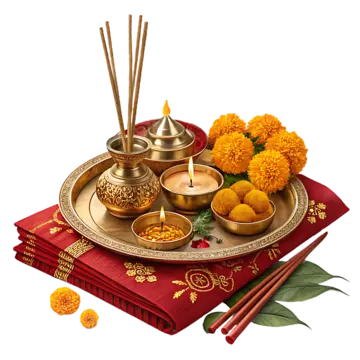
घर पर रोज़ पूजा करने के लिए कुछ सामान्य पूजा सामग्री की आवश्यकता होती है।

दैनिक पूजा सामग्री की सूची:

  1. दीपक (मिट्टी या पीतल का)
  2. घी या तिल का तेल
  3. रुई की बत्ती
  4. अगरबत्ती या धूपबत्ती
  5. कपूर
  6. रोली और कुमकुम
  7. अक्षत (साबुत चावल)
  8. चंदन
  9. ताजे फूल
  10. जल से भरा पात्र
  11. घंटी
  12. पूजा की थाली
  13. प्रसाद या फल

आप अपनी पारिवारिक परंपरा और इष्ट देव के अनुसार पूजा सामग्री में बदलाव कर सकते हैं।

4. दीपक जलाएं

पूजा की शुरुआत में भगवान के सामने दीपक जलाएं।

दीपक जलाने के लिए घी या तिल के तेल का उपयोग किया जा सकता है। रुई की स्वच्छ बत्ती का इस्तेमाल करें।

दीपक जलाते समय भगवान का स्मरण करें और अपने परिवार की सुख-शांति की प्रार्थना करें।

5. अगरबत्ती और धूप अर्पित करें

दीपक जलाने के बाद भगवान के सामने अगरबत्ती या धूप अर्पित करें।

अगरबत्ती की सुगंध पूजा स्थल में एक शांत और भक्तिमय वातावरण बनाने में मदद करती है।

आप अपनी पसंद के अनुसार चंदन, फूलों या प्राकृतिक सुगंध वाली अगरबत्ती का उपयोग कर सकते हैं।

6. भगवान को तिलक और फूल अर्पित करें

अब भगवान को रोली, कुमकुम या चंदन से तिलक लगाएं।

इसके बाद ताजे फूल या फूलों की माला अर्पित करें। अक्षत भी श्रद्धापूर्वक चढ़ाएं।

ध्यान रखें कि अलग-अलग देवी-देवताओं की पूजा में अर्पित की जाने वाली सामग्री और परंपराएं अलग हो सकती हैं।

7. मंत्र जाप और प्रार्थना करें

पूजा के दौरान अपने इष्ट देव के मंत्र का जाप करें।

कुछ सामान्य मंत्र:

गणेश मंत्र:

ॐ गं गणपतये नमः।

भगवान शिव मंत्र:

ॐ नमः शिवाय।

भगवान विष्णु मंत्र:

ॐ नमो भगवते वासुदेवाय।

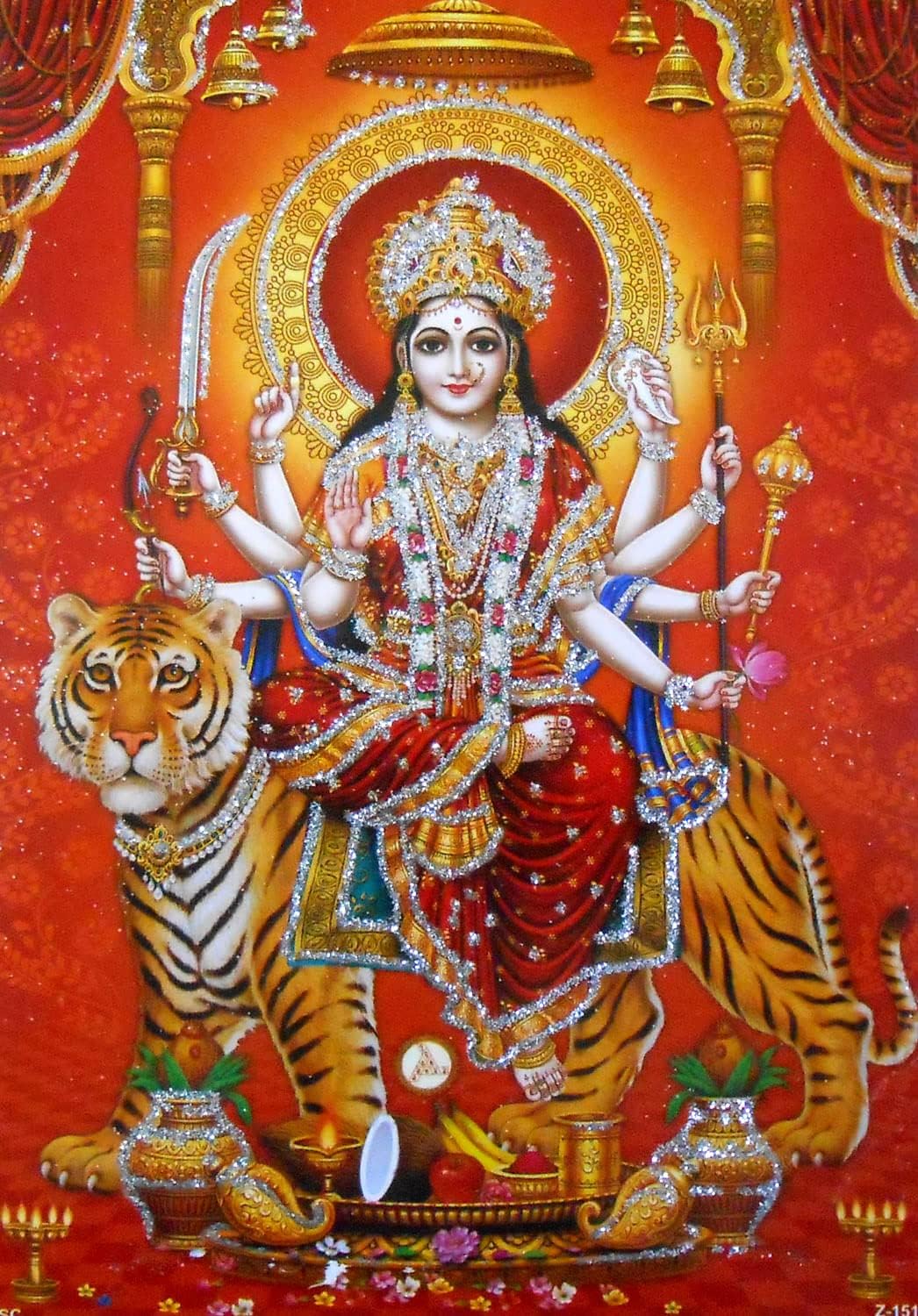
मां दुर्गा मंत्र:

ॐ दुं दुर्गायै नमः।

आप अपनी श्रद्धा और समय के अनुसार 11, 21 या 108 बार मंत्र जाप कर सकते हैं।

8. भगवान की आरती करें

पूजा के अंत में भगवान की आरती करें।

आरती के समय घंटी बजाएं और पूरे मन से भगवान का ध्यान करें। परिवार के अन्य सदस्य भी आरती में शामिल हो सकते हैं।

आरती के बाद हाथ जोड़कर भगवान से परिवार की सुख-समृद्धि, स्वास्थ्य और शांति की प्रार्थना करें।

9. प्रसाद अर्पित करें और ग्रहण करें

पूजा के बाद भगवान को फल, मिश्री, मिठाई या घर में बना सात्विक प्रसाद अर्पित करें।

कुछ समय बाद प्रसाद को परिवार के सदस्यों में बांटें।

इससे पूजा का समापन श्रद्धा और प्रसन्नता के साथ होता है।

10. दैनिक पूजा में ध्यान रखने योग्य बातें

रोज़ पूजा करते समय इन सामान्य बातों का ध्यान रखें:

  • पूजा स्थल हमेशा साफ रखें।
  • पूजा में इस्तेमाल होने वाली सामग्री स्वच्छ होनी चाहिए।
  • बासी फूलों को मंदिर से हटा दें।
  • दीपक जलाते समय आग से सुरक्षा का ध्यान रखें।
  • पूजा के दौरान मन को शांत और एकाग्र रखें।
  • अपनी पारिवारिक और धार्मिक परंपराओं का सम्मान करें।
  • समय कम होने पर भी भगवान का स्मरण और छोटी-सी प्रार्थना अवश्य करें।

दैनिक पूजा में कितना समय देना चाहिए?

दैनिक पूजा के लिए कोई निश्चित समय अनिवार्य नहीं है। आप अपनी दिनचर्या के अनुसार 10 से 20 मिनट निकाल सकते हैं।

एक सरल दैनिक पूजा का समय इस प्रकार हो सकता है:

  • मंदिर की सफाई – 2 मिनट
  • दीपक और अगरबत्ती – 2 मिनट
  • तिलक और फूल अर्पण – 2 मिनट
  • मंत्र जाप और ध्यान – 5 मिनट
  • आरती और प्रार्थना – 5 मिनट

समय से अधिक महत्वपूर्ण श्रद्धा और नियमितता है।

निष्कर्ष (Conclusion)

दैनिक पूजा हमारे जीवन में भक्ति, अनुशासन और सकारात्मकता को बनाए रखने का एक सुंदर माध्यम है। घर पर रोज़ पूजा करने के लिए किसी कठिन विधि की आवश्यकता नहीं होती। स्वच्छता, श्रद्धा, दीपक, अगरबत्ती, फूल और भगवान का स्मरण ही एक सरल दैनिक पूजा के महत्वपूर्ण अंग हैं।

आप अपनी सुविधा और पारिवारिक परंपरा के अनुसार पूजा की विधि अपना सकते हैं। सबसे महत्वपूर्ण बात यह है कि पूजा पूरे मन और सच्ची श्रद्धा से की जाए।

Yugantar के साथ अपनी दैनिक पूजा को बनाएं और भी सरल और भक्तिमय।
More Trending News

Trending News Lord Ganesha – The Divine God of Wisdom, Prosperity and New Beginnings
Pawan · 1 DAY AGO

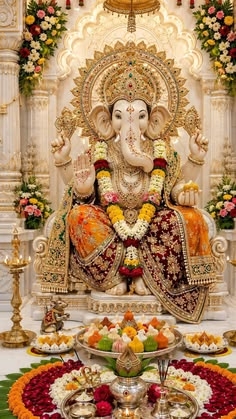
Lord Ganesha – The Divine God of Wisdom, Prosperity and New Beginnings

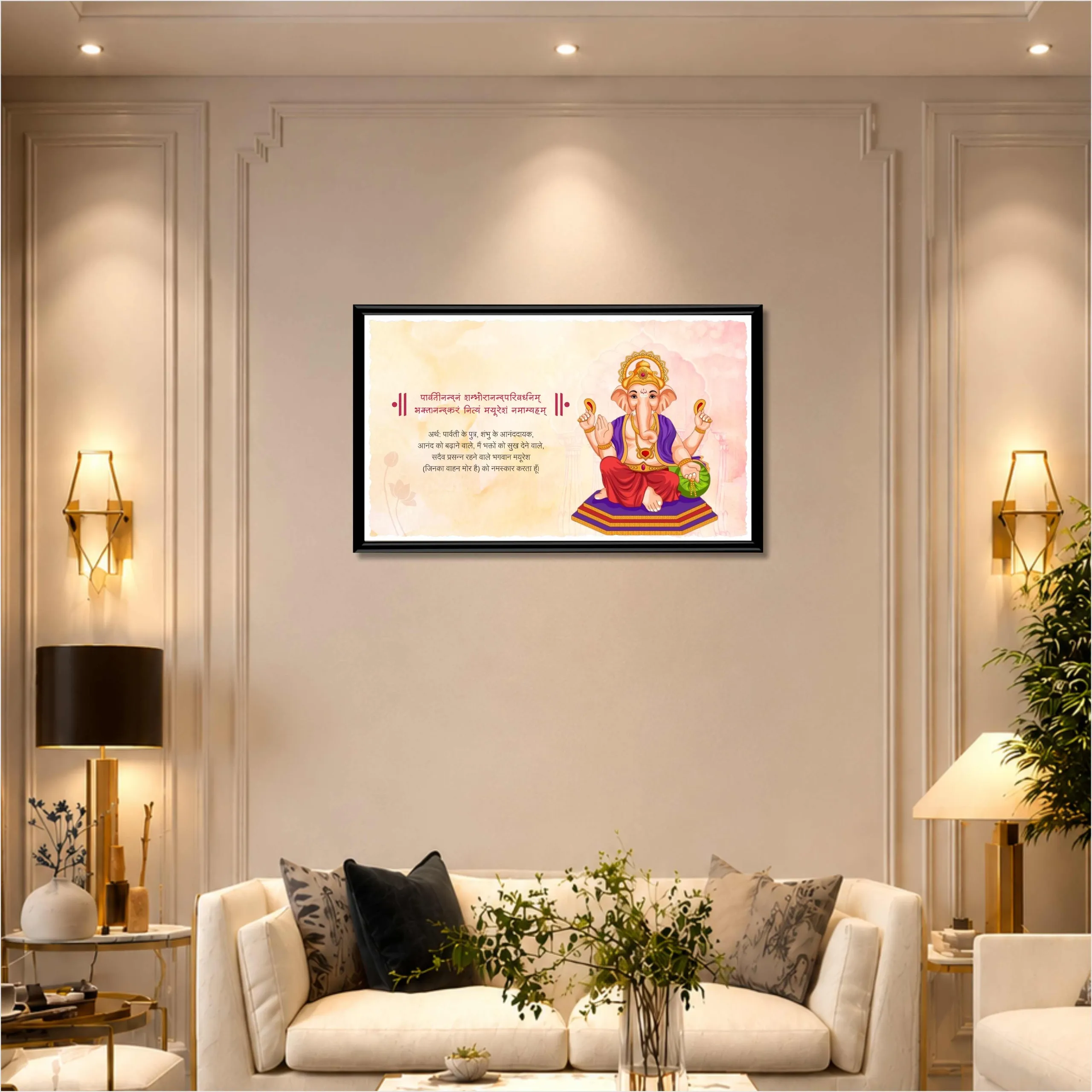
Lord Ganesha – The Divine God of Wisdom, Prosperity and New BeginningsLord Ganesha, also lovingly known as Ganpati, Ganesh, Vinayaka, and Vighnaharta, is one of the most widely worshipped deities in Hinduism. Recognized by his elephant head and human body, Lord Ganesha represents wisdom, intelligence, prosperity, good fortune, and new beginnings.He is the beloved son of Lord Shiva and Goddess Parvati and is traditionally worshipped before starting important activities, including religious ceremonies, business ventures, marriages, educational journeys, and other significant occasions.Devotees believe that praying to Lord Ganesha helps remove obstacles, encourages positive thinking, brings blessings for success and happiness. The Birth Story of Lord GaneshaOne of the most popular stories in Hindu mythology describes the divine birth of Lord Ganesha.Goddess Parvati created a young boy from the turmeric paste or sacred substance used during her bath. She gave life to the boy and instructed him to guard the entrance while she rested.When Lord Shiva returned home, he was stopped by the young boy, who did not recognize him and refused to allow him inside.A conflict followed, and in the traditional account, Lord Shiva severed the boy's head.When Goddess Parvati discovered what had happened, she was overcome with grief and anger. To console her and restore the boy's life, Lord Shiva instructed his attendants to bring the head of the first suitable living being they encountered. They returned with the head of an elephant and Lord Shiva placed the elephant's head on the boy's body and brought him back to life.He then blessed him with a special position among the gods and declared that Ganesha would be worshipped before the beginning of auspicious activities.Thus, Lord Ganesha became known as the remover of obstacles and the god of new beginnings.Why Does Lord Ganesha Have an Elephant Head?The elephant head of Lord Ganesha is one of the most recognizable symbols in Hindu spirituality.It represents:Wisdom: The elephant is associated with intelligence and understanding.Strength: It symbolizes the ability to face difficult situations with courage.Patience: It teaches us to remain calm and thoughtful.Memory: It represents knowledge, learning, and the ability to retain wisdom.Compassion: It reminds us to treat all living beings with kindness.The elephant head teaches us that true intelligence is not only about knowledge but also about understanding, patience, and compassion.The Symbolism Behind Lord Ganesha's Appearance :Every feature of Lord Ganesha carries a meaningful spiritual message.Large Ears – Listen MoreHis large ears remind us to listen carefully and patiently. Good listening helps us understand others and make better decisions.Small Eyes – Focus and ConcentrationHis small eyes symbolize concentration and the ability to focus on important goals.Large Head – Think BigThe large head represents wisdom, broad thinking, and the importance of developing knowledge.Long Trunk – AdaptabilityHis trunk represents strength as well as flexibility. It teaches us to adapt to different circumstances in life.One Broken Tusk – Sacrifice and DeterminationLord Ganesha is also known as Ekadanta, meaning the one with a single tusk.According to a popular legend, he broke one of his tusks and used it as a writing instrument while recording the Mahabharata as dictated by Sage Vyasa.The broken tusk symbolizes sacrifice, dedication, and the importance of completing one's responsibilities.Large Belly – AcceptanceHis large belly represents the ability to peacefully accept and digest the experiences of life, both pleasant and unpleasant.Mouse as His Vehicle – Control Over DesiresLord Ganesha's vehicle is a mouse, traditionally called Mushika. The mouse symbolizes desires and restless thoughts. Ganesha riding the mouse represents wisdom and self-control over uncontrolled desires.4. Why Is Lord Ganesha Worshiped First?Lord Ganesha is traditionally worshipped before other deities during many Hindu religious ceremonies.He is known as Vighnaharta, the remover of obstacles, and Vighneshwara, the lord of obstacles.According to Hindu traditions, worshipping Ganesha at the beginning of an important activity invites divine blessings and encourages a positive start.People pray to him before:Starting a new business.Beginning a new job.Purchasing a house or vehicle.Starting educational journeys.Celebrating marriages.Performing religious ceremonies.Beginning new personal projects.His blessings symbolize wisdom, confidence, determination, and the strength to overcome challenges.5. Different Names of Lord Ganesha and Their MeaningsLord Ganesha is known by many beautiful names. Each name describes a different divine quality.NameMeaningGaneshLord of the GanasGanpatiLeader of divine attendantsVinayakaSupreme leaderVighnahartaRemover of obstaclesEkadantaOne with a single tuskGajananElephant-faced deityLambodaraThe one with a large bellySiddhivinayakBestower of spiritual accomplishmentsSumukhaThe one with an auspicious faceVakratundaThe one with a curved trunkHerambaProtector of the weakBhalchandraThe one who wears the moon on his forehead6. Popular Mantras of Lord GaneshaMantras are sacred sounds and prayers used by devotees to express faith and devotion.1. Ganesh Beej Mantraॐ गं गणपतये नमः।Om Gam Ganapataye Namah.Meaning: I bow to Lord Ganesha and seek his blessings.2. Vakratunda Mahakaya Mantraवक्रतुण्ड महाकाय सूर्यकोटि समप्रभ।निर्विघ्नं कुरु मे देव सर्वकार्येषु सर्वदा॥Vakratunda Mahakaya Suryakoti Samaprabha,Nirvighnam Kuru Me Deva Sarva Karyeshu Sarvada.Meaning: O Lord Ganesha, with your curved trunk and magnificent form, shining like millions of suns, please bless all my activities and remove obstacles from my path..7. Favorite Offerings of Lord GaneshaLord Ganesha is traditionally offered a variety of sweets, fruits, and flowers.Some of the most popular offerings include:Modak: A sweet dumpling traditionally associated with Lord Ganesha.Laddu: A favourite sweet offered during festivals and pujas.Durva Grass: A sacred grass traditionally offered during Ganesha worship.Red Flowers: Especially red hibiscus, which is commonly used in worship.Coconut: Offered as a symbol of purity and devotion.Bananas: A popular fruit offering.Jaggery: Traditionally used in many devotional preparations.Modak holds a special place in Ganesha worship. It symbolizes sweetness, happiness, and the rewards of spiritual knowledge.8. Ganesh Chaturthi: The Grand Festival of Lord GaneshaGanesh Chaturthi is one of the most important Hindu festivals dedicated to Lord Ganesha.It is celebrated during the Hindu month of Bhadrapada, generally falling in August or September.The festival celebrates the birth of Lord Ganesha and is observed with great devotion across India.How Is Ganesh Chaturthi Celebrated?The celebration generally includes Bringing beautifully decorated Ganesha idols home or to community pandals. Then perform Ganesh Sthapana and Pran Pratishtha according to tradition. Followed by offering flowers, fruits, modaks, and other sweets. Both times Morning and Evening Daily twice Arti is performed,devotees sing bhajans and organize cultural programmes. Then Ganesh Visarjan at the conclusion of the festival. Ganesh Visarjan marks the ceremonial farewell to Lord Ganesha.Devotees carry the idol in joyful processions while chanting:Ganpati Bappa Morya!The immersion symbolizes the cycle of creation and dissolution and reminds us that everything in the material world is temporary.Many devotees now prefer eco-friendly clay idols and natural decorations to protect the environment.9. Famous Temples of Lord Ganesha in IndiaIndia is home to several beautiful and historically significant Ganesha temples.Siddhivinayak Temple – Mumbai, MaharashtraOne of India's most famous Ganesha temples, Siddhivinayak Temple,it is especially popular among people seeking blessings for success and prosperity.Dagdusheth Halwai Ganpati – Pune, MaharashtraLocated in Pune, this famous temple is known for its beautifully decorated idol and grand Ganesh Chaturthi celebrations.Ashtavinayak Temples – MaharashtraThe Ashtavinayak pilgrimage includes eight sacred Ganesha temples located in different parts of Maharashtra.The eight temples are:Moreshwar Temple – Morgaon.Siddhivinayak Temple – Siddhatek.Ballaleshwar Temple – Pali.Varadvinayak Temple – Mahad.Chintamani Temple – Theur.Girijatmaj Temple – Lenyadri.Vighneshwar Temple – Ozar.Mahaganapati Temple – Ranjangaon.Kanipakam Vinayaka Temple – Andhra PradeshThis ancient temple is dedicated to Lord Ganesha and is known for its sacred traditions and religious significance.Ranthambore Ganesh Temple – RajasthanLocated within the Ranthambore Fort complex, this temple is an important pilgrimage destination for Ganesha devotees..Conclusion: May Lord Ganesha Bless Everyone with Happiness and ProsperityLord Ganesha is much more than a deity associated with removing obstacles. He represents wisdom, patience, determination, humility, and the power of positive beginnings.His divine form reminds us to think wisely, listen carefully, remain focused, and face life's challenges with courage.His blessings are sought by millions of devotees who pray for happiness, prosperity, good health, knowledge, and success.May the divine blessings of Lord Ganesha bring peace, happiness, and prosperity into everyone's life.गणपति बप्पा मोरया!मंगल मूर्ति मोरया!

Trending News Tripurari Purnima 2026: Story, Significance, Puja Vidhi & Rituals
Pawan · 3 DAYS AGO

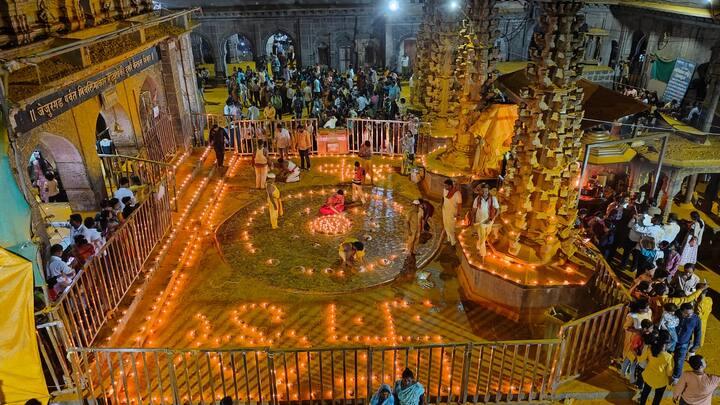
Tripurari Purnima 2026: Story, Significance, Puja Vidhi & Rituals

Tripurari Purnima 2026: Significance, Story of Lord Shiva, Kartik Purnima Rituals & Puja Samagri Tripurari Purnima is one of the most sacred occasions in Hindu tradition. Celebrated on Kartik Shukla Purnima, this auspicious day commemorates Lord Shiva's victory over the demon Tripurasura and the destruction of his three powerful cities. Also known as Tripuri Purnima and Kartik Purnima, this festival symbolises the victory of good over evil and light over darkness. Devotees celebrate this occasion by worshipping Lord Shiva, taking holy baths, lighting earthen diyas, performing Deep Daan and offering prayers. In many regions, the same occasion is celebrated as Dev Diwali, the Diwali of the Gods. When Is Tripurari Purnima in 2026? Tripurari Purnima will be celebrated on Tuesday, 24 November 2026. It falls on the full moon day of Kartik Shukla Paksha and is also observed as Kartik Purnima and Dev Diwali. Important Date and Tithi Details: Festival: Tripurari Purnima Date: Tuesday, 24 November 2026 Hindu Month: Kartik Paksha: Shukla Paksha Tithi: Purnima Purnima Tithi Begins: 11:42 PM on 23 November 2026 Purnima Tithi Ends: 8:23 PM on 24 November 2026 The above timings are based on the New Delhi Panchang. Local timings may vary. What Is Tripurari Purnima? Tripurari Purnima is a Hindu festival dedicated primarily to Lord Shiva. The word Tripurari is made up of two words: Tripura: The three cities associated with Tripurasura. Ari: Enemy or destroyer. Lord Shiva is known as Tripurari because he destroyed the three cities of Tripurasura and restored peace and balance in the universe. The Story of Tripurari Purnima: Lord Shiva and Tripurasura According to Hindu mythology, there were three powerful demon brothers who performed intense penance and received a boon from Lord Brahma. Their names were Tarakaksha, Kamalaksha and Vidyunmali. They were granted three magnificent cities known as Tripura: One city was made of gold. One city was made of silver. One city was made of iron. These cities were extremely powerful and could move through the universe. The three demon brothers gradually became arrogant and began troubling the gods and disturbing the balance of the universe. The gods approached Lord Shiva and requested his help. To restore Dharma and protect the universe, Lord Shiva took the divine form of Tripurantaka. According to the traditional legend, when the three cities aligned, Lord Shiva destroyed all three with a single divine arrow. This victory over Tripurasura became a symbol of the triumph of good over evil. The gods celebrated this divine victory by lighting lamps. This tradition is associated with the celebration of Tripurari Purnima and Dev Diwali. Religious Significance of Tripurari Purnima Tripurari Purnima holds deep spiritual importance for devotees of Lord Shiva. Some important religious beliefs associated with this day include: 1. Victory of Good Over Evil The destruction of Tripurasura represents the victory of righteousness over arrogance, negativity and evil. 2. Worship of Lord Shiva Devotees worship Lord Shiva as Tripurantaka and seek blessings for peace, strength and spiritual progress. 3. Importance of Deep Daan Lighting lamps is an important tradition. It symbolises the removal of darkness and the awakening of inner wisdom. 4. Spiritual Purification Kartik Purnima is considered an auspicious day for holy bathing, prayers, meditation and religious activities. 5. Charity and Kindness Donating food, clothes and essential items to people in need is considered a meaningful way to observe the occasion. Why Is Tripurari Purnima Also Called Kartik Purnima? Tripurari Purnima and Kartik Purnima refer to the same auspicious full moon day. Kartik Purnima is the name of the full moon day in the Hindu month of Kartik. It is called Tripurari Purnima because of Lord Shiva's victory over Tripurasura on this occasion, according to Hindu tradition. The same festival is also celebrated as Dev Diwali in several regions of India. Different names highlight different aspects of this sacred day: Kartik Purnima: The full moon of the Kartik month. Tripurari Purnima: Lord Shiva's victory over Tripurasura. Tripuri Purnima: Another traditional name for the same occasion. Dev Diwali: The festival believed to be celebrated by the gods. How Is Tripurari Purnima Celebrated? Devotees celebrate this sacred occasion with traditional worship and devotional activities. Common celebrations include: Taking a holy bath early in the morning. Worshipping Lord Shiva. Offering flowers, water and Bilva leaves. Chanting Shiva mantras. Lighting earthen diyas in temples and homes. Performing Deep Daan. Donating food and clothes. Visiting Shiva temples. Listening to religious stories and prayers. In Maharashtra, the festival is popularly known as Tripuri Pournima. Many Shiva temples illuminate their traditional stone lamp towers, known as Deepmalas. Tripurari Purnima Puja Samagri List Here is a traditional Tripurari Purnima puja samagri checklist: Lord Shiva idol or picture Shivling, where available Clean water and Gangajal Milk for Abhishek Bilva leaves Fresh flowers Haldi and Kumkum Akshat (uncooked rice) Sandalwood paste Earthen diyas Cotton wicks Pure ghee or diya oil Agarbatti Dhoop or Sambrani Kapoor Fruits Sweets and Prasad Coconut Puja thali Brass bell The exact puja items may vary according to regional and family traditions. Tripurari Purnima Puja Vidhi: Step-by-Step Rituals Devotees can perform a simple Lord Shiva puja at home by following these traditional steps. 1. Clean the Puja Area Clean the home temple and prepare a peaceful place for worship. Keep all the required puja materials ready. 2. Take a Holy Bath Wake up early and take a bath. Devotees traditionally consider Kartik Purnima an auspicious day for Kartik Snan. 3. Worship Lord Ganesha Begin the puja by remembering Lord Ganesha and seeking his blessings. 4. Perform Lord Shiva Abhishek Offer clean water and other traditional Abhishek materials to the Shivling, according to your family customs. 5. Offer Bilva Leaves and Flowers Offer Bilva leaves, fresh flowers, sandalwood paste and Akshat to Lord Shiva. 6. Light Diya and Agarbatti Light a ghee or oil diya and offer incense sticks and dhoop during the puja. 7. Chant Shiva Mantras Devotees can chant: Om Namah Shivaya This simple mantra is widely recited by devotees of Lord Shiva. 8. Perform Deep Daan In the evening, light earthen diyas and offer them at a temple or another safe and appropriate place. 9. Perform Aarti Conclude the puja with Lord Shiva's aarti and distribute Prasad among family members. What Is Deep Daan on Tripurari Purnima? Deep Daan means offering a lighted lamp as an act of devotion. It is one of the most significant traditions associated with Kartik Purnima. Devotees light earthen diyas in temples, near rivers, around their homes and at other sacred places. The spiritual meaning of Deep Daan includes: Light overcoming darkness. Knowledge overcoming ignorance. Goodness overcoming negativity. Faith and devotion towards God. Gratitude and spiritual awakening. In many Shiva temples across Maharashtra, traditional Deepmalas are illuminated with numerous lamps on Tripuri Pournima.   Diya and Cotton Wicks: Used for lighting lamps and performing aarti. They symbolise divine light and devotion.   Ghee: Traditionally used for lighting sacred diyas. Agarbatti: Creates a pleasant fragrance and a peaceful atmosphere during worship. Sambrani and Dhoop: Traditionally used during religious ceremonies and prayers. Kapoor: Commonly used during aarti as an offering to the deity. Bilva Leaves: Considered especially sacred in the worship of Lord Shiva. Preparing these essentials before the festival helps devotees perform their puja with devotion. Conclusion Tripurari Purnima is a beautiful celebration of Lord Shiva's divine power and the victory of good over evil. The story of Tripurasura reminds us that arrogance, negativity and ignorance can be overcome through wisdom, faith and righteousness. By worshipping Lord Shiva, lighting diyas, performing Deep Daan and helping those in need, devotees celebrate the true spirit of Kartik Purnima. Celebrate Tripurari Purnima 2026 with devotion, traditional puja essentials and heartfelt prayers. May Lord Shiva bless every home with peace, strength and happiness.

Spiritual Dev Diwali 2026: Date, Significance, Puja Vidhi & Deep Daan Rituals
Pawan · 3 DAYS AGO

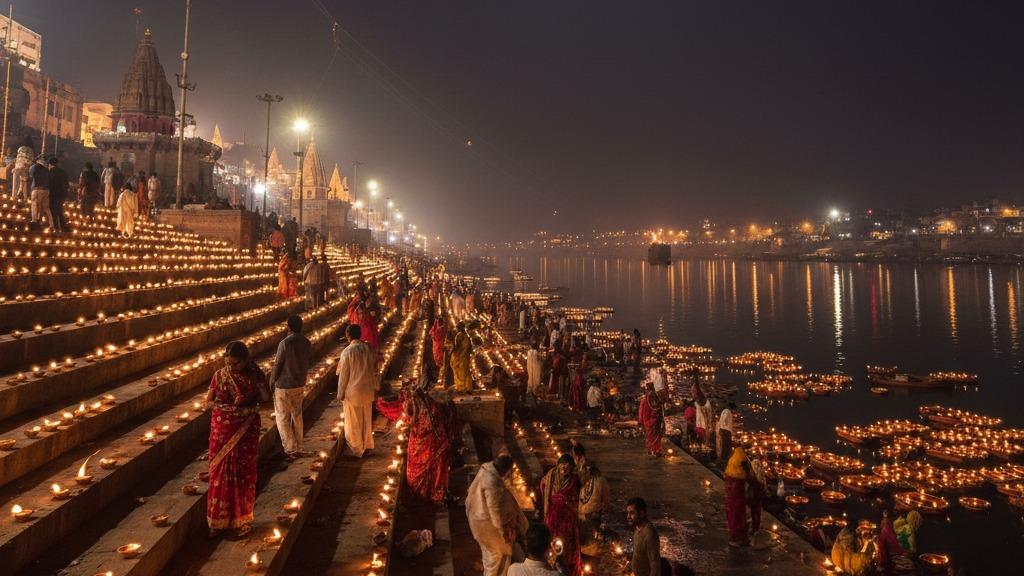
Dev Diwali 2026: Date, Significance, Puja Vidhi & Deep Daan Rituals

Dev Diwali 2026: Date, Significance, Rituals, Deep Daan & Puja Samagri Dev Diwali, also known as Dev Deepawali or the Diwali of the Gods, is one of the most beautiful and spiritually significant festivals in Hindu tradition. Celebrated on Kartik Purnima, this auspicious occasion is associated with the victory of Lord Shiva over the demon Tripurasura. According to Hindu beliefs, the gods celebrate this divine victory by lighting lamps in the heavens. Devotees celebrate the occasion by lighting hundreds of diyas, performing prayers, offering Deep Daan and worshipping Lord Shiva and Lord Vishnu. The festival is especially famous in Varanasi, where the ghats of the holy River Ganga glow with thousands of earthen lamps, creating a magnificent spiritual atmosphere. Dev Diwali in 2026 will be celebrated on Tuesday, 24 November 2026, on the auspicious occasion of Kartik Purnima. Important Date and Timings: Festival: Dev Diwali / Dev Deepawali Date: Tuesday, 24 November 2026 Tithi: Kartik Shukla Purnima Purnima Tithi Begins: 11:42 PM on 23 November 2026 Purnima Tithi Ends: 8:23 PM on 24 November 2026 Deep Daan: Evening during Pradosh Kaal The Pradosh Kaal muhurat in Varanasi is 5:08 PM to 7:47 PM. Timings may vary depending on the location, so devotees should follow their local Panchang. What Is Dev Diwali? Dev Diwali literally means the Diwali of the Gods. It is celebrated fifteen days after the main Diwali festival, on the full moon day of Kartik month. Unlike the main Diwali festival, which is associated with the return of Lord Rama to Ayodhya and the worship of Goddess Lakshmi, Dev Diwali is particularly associated with Lord Shiva's victory over Tripurasura. Devotees believe that on this day the gods descend to Earth to celebrate the divine victory and take part in the festivities. Lighting diyas, offering prayers and performing Deep Daan are among the most important traditions of this festival. Religious Significance of Dev Diwali Dev Diwali holds great religious and spiritual importance in Hinduism. Some important beliefs associated with this festival include: It celebrates the victory of good over evil. It commemorates Lord Shiva's victory over Tripurasura. Lighting diyas symbolises the removal of darkness and ignorance. Deep Daan is considered a sacred act of devotion and charity. Kartik Purnima is considered an auspicious day for prayer, charity and holy bathing. Devotees worship Lord Shiva, Lord Vishnu and other deities on this occasion. The festival encourages people to follow the path of truth, devotion, kindness and righteousness. The Story Behind Dev Diwali According to Hindu mythology, three powerful demon brothers named Tarakaksha, Kamalaksha and Vidyunmali performed intense penance and received a boon to build three magnificent cities known as Tripura. These three cities were made of gold, silver and iron and became extremely powerful. The demons began troubling the gods and disturbing the balance of the universe. To protect the universe and restore peace, Lord Shiva took the form of Tripurantaka and destroyed the three cities with a single divine arrow. This victory is celebrated as Tripurari Purnima or Tripurotsav. According to tradition, the gods celebrated Lord Shiva's victory by lighting lamps. This divine celebration is remembered as Dev Diwali. Why Is Dev Diwali Famous in Varanasi? Varanasi, also known as Kashi, is one of the most sacred cities in Hinduism. Dev Diwali is celebrated on a grand scale along the ghats of the River Ganga. Thousands of devotees and visitors gather to witness the beautiful sight of illuminated ghats. The main attractions include: Lighting thousands of earthen diyas along the Ganga ghats. Performing Ganga Aarti. Offering Deep Daan to the holy river. Visiting temples and offering prayers. Participating in religious ceremonies and cultural programmes. The illuminated ghats create a peaceful and divine atmosphere that makes Dev Diwali a memorable experience. Dev Diwali Puja Samagri List Here is a useful checklist of commonly used puja samagri: Earthen diyas (mitti ke diye) Cotton wicks (batti) Pure ghee or diya oil Haldi and Kumkum Roli and Akshat Fresh flowers and garlands Agarbatti (incense sticks) Dhoop or Sambrani Kapoor (camphor) Panchamrit Fruits and sweets Coconut Betel leaves and betel nuts Gangajal Puja thali Brass bell Red or yellow cloth Water-filled kalash The exact requirements may differ according to family traditions and regional customs. Dev Diwali Puja Vidhi: How to Perform Puja at Home Devotees can celebrate Dev Diwali at home by following these traditional steps. 1. Clean the House and Puja Area 2. Take a Holy Bath 3. Worship Lord Shiva 4. Perform Vishnu Puja 5. Light Diyas 6. Perform Deep Daan 7. Perform Aarti What Is Deep Daan and Why Is It Important? Deep Daan means offering or donating a lighted lamp as a sacred act of devotion. It is one of the most important rituals of Dev Diwali. Devotees light earthen lamps and offer them at temples, riverbanks and other sacred places. According to Hindu beliefs, Deep Daan represents: Removal of darkness and ignorance. Spiritual awakening and positivity. Gratitude towards the divine. Devotion and selflessness. Prayers for peace and prosperity. If you are performing Deep Daan at home, use a clean and safe place for lighting diyas. Importance of Puja Essentials During Dev Diwali Every puja item has a special place in Hindu worship. Diya and Cotton Wicks: Used for lighting lamps and performing aarti. They symbolise light, devotion and positivity. Ghee: Traditionally used for lighting sacred diyas during religious ceremonies. Agarbatti: Creates a pleasant fragrance and a devotional atmosphere during worship. Sambrani and Dhoop: Traditionally used during puja and religious ceremonies. Kapoor: Commonly used during aarti as an offering to the deities. Haldi and Kumkum: Important traditional items used in Hindu rituals and worship. Preparing these essentials in advance helps devotees perform their rituals peacefully. Conclusion Dev Diwali is a beautiful festival that celebrates the victory of good over evil and the power of divine light. The sight of thousands of glowing diyas reminds us that even a small light can remove darkness. Whether you celebrate Dev Diwali at the holy ghats of Varanasi or in your own home, the true spirit of the festival lies in devotion, gratitude and kindness. Celebrate Dev Diwali 2026 with traditional puja rituals, beautiful earthen diyas and heartfelt prayers. May the divine light bring peace, happiness and prosperity to every home.

Trending News Pandharpur and Its Meaning Today
SARGANDHA · 1 YEAR AGO

Pandharpur and Its Meaning Today

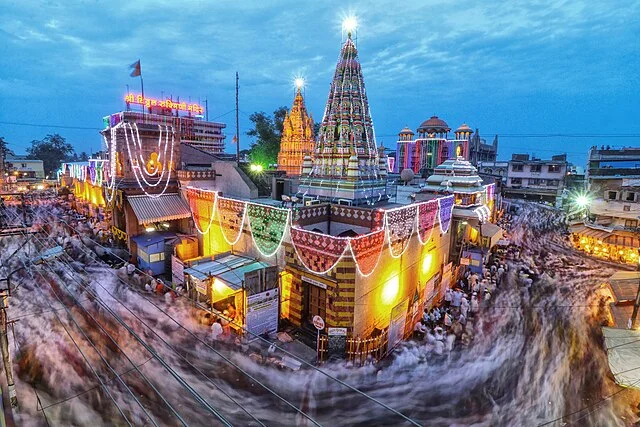
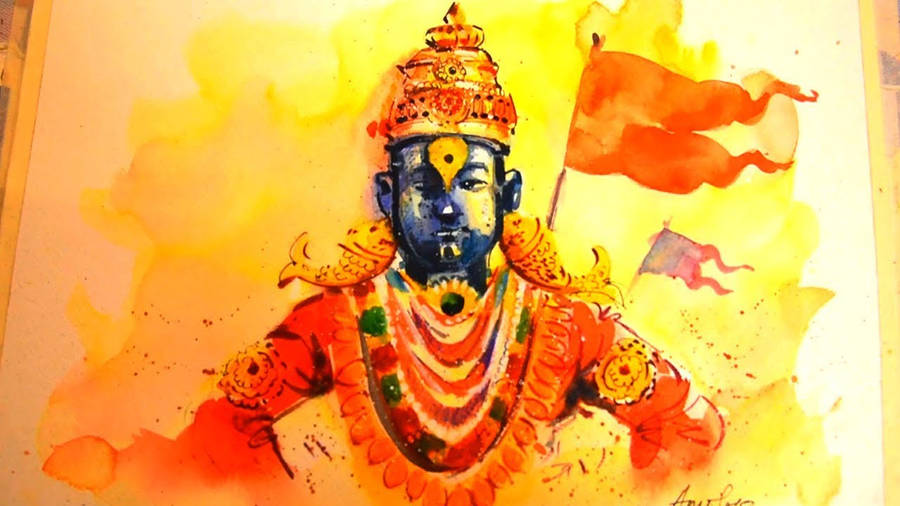
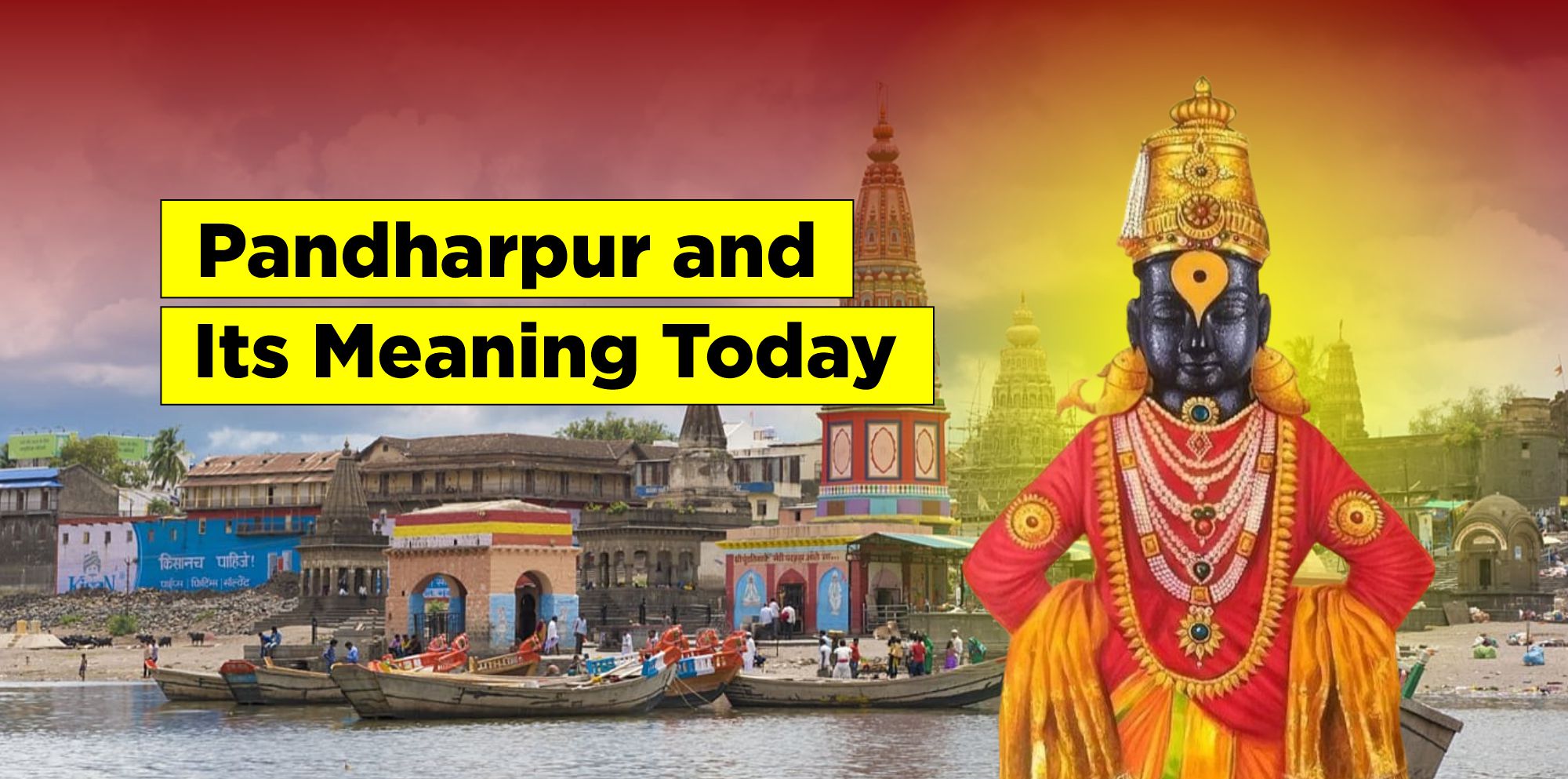
Pandharpur and Its Meaning Today Pandharpur and Its Meaning Today: In the heart of Maharashtra, nestled along the banks of the sacred Chandrabhaga River, lies a town that has, for centuries. Today, as the world races forward with technology and modern ideals, Pandharpur continues to stand still in time, not because it is outdated, but because it holds something the world is desperate to remember: the power of faith, simplicity, and human connection. It’s not a festival of extravagance, but of endurance. It’s not about reaching early, but reaching together. It’s in the songs sung along the way, the shared meals, the callused feet, and the unshaken smiles that the soul of Pandharpur reveals itself. In a world increasingly divided by class, opinion, and technology, Pandharpur reminds us what it means to walk in harmony. The Heartbeat of Devotion At the centre of it all is Vithoba, or Vitthal, the dark-skinned, standing-with-arms-akimbo form of Lord Krishna or Vishnu. He is a friend, a mother, a listener. “Mauli,” they call Him Mother. The kind of mother you can argue with, cry in front of, and lean on during the worst of times. There’s something uniquely comforting about Pandharpur’s temple. No gold domes, no opulent marble. Just stone floors worn smooth by countless pilgrim footsteps and a sanctum that resonates with raw, unscripted emotion. People don’t come here to ask for riches. They come to feel seen. Relevance in Today’s Times In today's world, where anxiety is high and real connections are low, Pandharpur offers a space where you don’t have to pretend. You don’t need fancy clothes, a high education, or the right vocabulary to pray. You just need a heart willing to bow and a soul ready to sing. Pandharpur teaches us humility, patience, community, and resilience, qualities we often forget in our busy lives. More Than Religion Even if you are not religious, a visit to Pandharpur touches something deep. Maybe it’s the way people help each other without asking. Maybe it’s the collective singing that drowns out your thoughts. Maybe it’s just the peace of seeing thousands of people united by something bigger than themselves. Whatever it is, Pandharpur doesn’t just stay in your memory. It stays in your heart.

Trending News India’s Grandest Temple Festival: What Makes Thrissur Pooram Unique
SARGANDHA · 1 YEAR AGO

India’s Grandest Temple Festival: What Makes Thrissur Pooram Unique

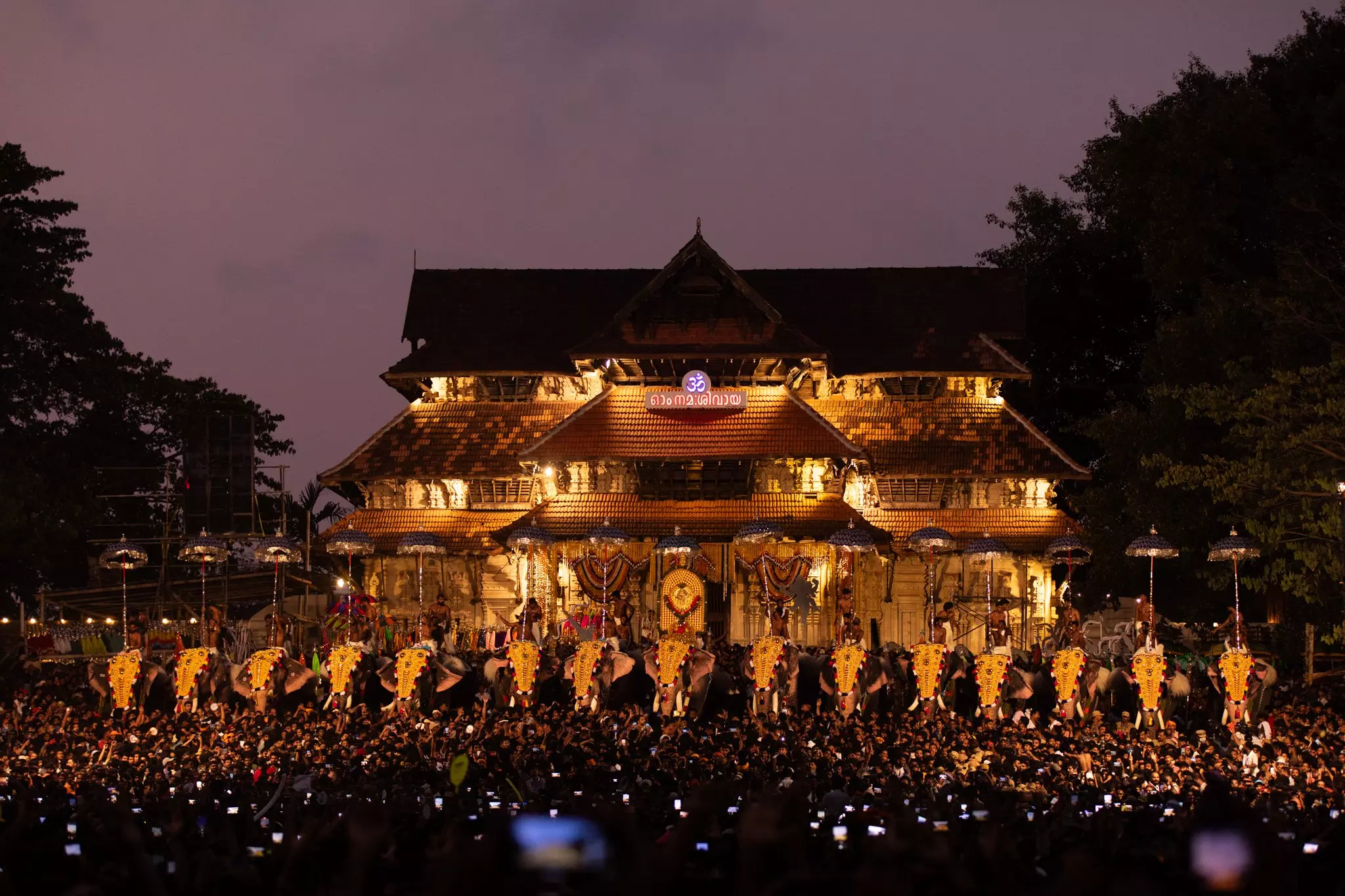
When it comes to temple festivals in India, there’s nothing quite like Thrissur Pooram. Held in the cultural capital of Kerala—Thrissur—this festival is not just big, it’s grand. Every year, the city transforms into a vibrant sea of color, sound, and tradition that leaves even first-time visitors speechless. But what exactly makes Thrissur Pooram so unique? Let’s start with the scale. Thrissur Pooram is also known as the “mother of all festivals” in Kerala, and for good reason. Imagine 50 majestic elephants, dressed in golden caparisons, lined up in front of the ancient Vadakkunnathan Temple. Add to that the thunderous beats of chenda melam (traditional drums), the dazzling kudamattom (colorful umbrella exchange), and an all-night fireworks display that lights up the sky—it’s a sensory overload in the best way possible. That spirit of inclusivity still shines today. The two main temple groups—Paramekkavu and Thiruvambady—compete to outdo each other, but with immense respect and collaboration. From the music to the elephants, everything is prepared with months of devotion, skill, and passion. Another beautiful aspect? Thrissur Pooram isn’t just for devotees—it’s for everyone. Locals, tourists, artists, and photographers all come together, united by a shared sense of wonder. Whether you're religious or not, there's something deeply moving about standing in the crowd, feeling the drums vibrate through your chest, and watching the sky burst with color. Thrissur Pooram is a festival that celebrates tradition, but also reinvention, unity, and the power of people coming together. It’s loud, proud, and unforgettable. So if you’ve never been, put it on your bucket list. Thrissur Pooram is not just a festival—it’s an emotion.

Trending News The Science of Monthly Ekadashi: A Yogic Insight
SARGANDHA · 1 YEAR AGO

The Science of Monthly Ekadashi: A Yogic Insight

In every month, Ekadashi falls on the 11th day after the full moon (Shukla Paksha) and the 11th day after the new moon (Krishna Paksha).Many devotees observe it as a day of fasting and devotion, but this ancient tradition has a deep yogic and scientific understanding. Let’s explore the spiritual and physiological science behind Ekadashi — and why our ancient sages recommended it with such importance. Why the 11th Day? - The Lunar Connection In the yogic culture, the lunar cycle is deeply connected with the human system. The moon’s influence on water is well-known — and considering that our bodies are nearly 70% water, it’s no surprise that lunar phases impact our emotions, energy levels, and mental clarity. On Ekadashi, there is a belief that the gravitational pull of the moon is at a unique balance and It creates a certain stillness in the mind and body — a state which is ideal for spiritual practices like meditation, mantra chanting, and fasting. Yogic Insight: The 11th day is when the prana (life energy) within us moves more inward then outward. It’s the best time to go beyond the senses and touch deeper awareness. Fasting on Ekadashi: Not Starving, but Aligning Fasting on Ekadashi is not merely a religious rule. It is a detox process aligns with the rhythms of nature. Scientific Benefits: Gives the digestive system rest, allowing the body to repair itself. Helps in regulation of blood sugar and reduction of inflammation. Boost mental clarity and emotional balance. Reduces tamas and enhances sattva in the body and mind. In yogic terms, when the stomach is light, the energy moves upwards — supporting meditation and inner clarity. Mental & Energetic Effects of Ekadashi Ekadashi is also called a "gateway to the divine" in many scriptures. Energetically, it's a day when our subtle body is more receptive. On this day: Mantras have 10x the impact. Meditation becomes deeper and steadier. Introspection and silence come naturally. The mind is less restless and more open to grace. Spiritual Purpose: A Time to Cleanse Karma In the Bhagavad Gita and Padma Purana, Ekadashi is said to burn past karmas, cleanse sins, and elevate the soul. Fasting, chanting, and avoiding indulgent behavior on this day saves spiritual energy and redirects it toward divine connection. Ekadashi is not just about what you avoid It’s about what you awaken. How to Observe Ekadashi Yogically Fast (as per capacity: full, fruit-only, or light sattvic food). Meditate longer than usual. Stay inward — let silence be your food. Final Thought- Ekadashi is not just a day on the calendar. It’s a day to pause the external noise and tune in to something deeper, still, and divine. So whether you're new to fasting or a regular devotee, approach your next Ekadashi not as a ritual, but as a spiritual reset — a chance to align with the natural intelligence of the universe.

Trending News Foods That Help You Fast Smoothly
SARGANDHA · 1 YEAR AGO

Foods That Help You Fast Smoothly

In this blog, we share a list of foods that support your fast. 1. Milk & Milk-Based Products: Your Fasting friend Milk and dairy offer a rich source of protein, calcium, and good fats—making them perfect for keeping you full during a long fasting day. Include: Curd to aid digestion Buttermilk to cool the body Paneer for protein Lassi or warm turmeric milk to stay hydrated and nourished 2. Fruits: Nature’s Instant Energy Pack Fruits are light and easy to digest; they are also packed with natural sugars, fiber, and vitamins. They hydrate the body and prevent sugar crashes. Best fruits during fasting: Banana (sustains energy) Apple (refreshing and fibrous) Papaya (aids digestion) Watermelon or muskmelon (hydrating and cooling) tip: Mix fruits into a bowl or smoothie for a refreshing meal. 3. Sabudana: Small Balls, Big Energy Sabudana is a popular fasting food. It is high in carbohydrates and quickly provides energy. How to eat it: Sabudana khichdi with peanuts Sabudana vada Sabudana kheer with jaggery or rock sugar 4. Potatoes and Sweet Potatoes: These are rich in complex carbohydrates that keep you full. Sweet potatoes also contain fiber, potassium, and antioxidants. Suggestions: Boiled and seasoned with sendha namak Roasted or stir-fried in ghee Mixed into fasting-friendly tikkis or sabzis 5. Samak Rice: Samak rice, also known as “vrat ke chawal,” feels like rice without the heaviness. What you can make: Samak khichdi with peanuts Samak pulao with fasting veggies Samak kheer 6. Dry Fruits and Nuts: Instant Energy Boosters dry fruits like dates and raisins offer natural sugars. my fav: Almonds (soaked overnight) Cashews and walnuts Dates as a quick energy snack Raisins for sweetness in dishes 7. Sendha Namak (Rock Salt): Fasting-Friendly Seasoning Unlike regular salt, sendha namak is allowed during fasts and is easy on the stomach. 8. Coconut Water: Hydrate Naturally Hydration becomes very important during the fasting period, especially in warmer months.Thats why Avoid sugary or carbonated drinks. Better options include: Coconut water (rich in natural electrolytes) Ginger tea (aids digestion) Tulsi tea or lemon water (without salt or sugar) Bonus Tip: Use Ghee Mindfully A little pure desi ghee added to your meals can prevent acidity and promote digestion during fasts. It also enhances flavor and provides energy.

Trending Event Kaal Bhairav Jayanti 2026: Date, Shubh Muhurat, Puja Vidhi, Vrat Katha and Significance
Mansi Jain · 1 DAY AGO

Kaal Bhairav Jayanti 2026: Date, Shubh Muhurat, Puja Vidhi, Vrat Katha and Significance

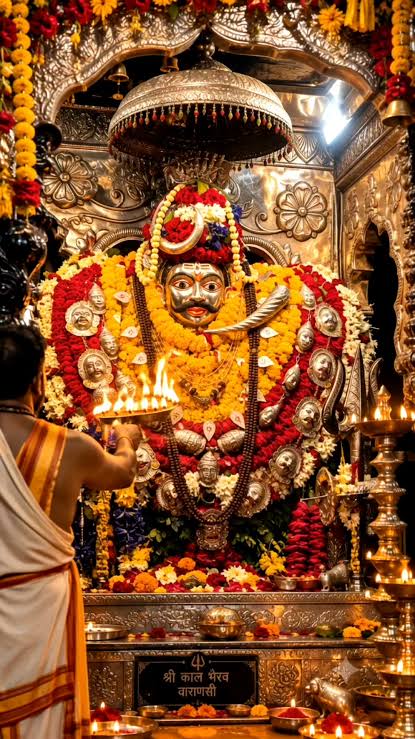
Kaal Bhairav Jayanti 2026: Date, Shubh Muhurat, Puja Vidhi, Vrat Katha and Significance Kaal Bhairav Jayanti is one of the most sacred festivals dedicated to Lord Shiva's fierce form, Shri Kaal Bhairav. Devotees worship Lord Kaal Bhairav to seek protection from fear, negative energies, obstacles and difficulties in life.Also known as Kalabhairav Ashtami and Bhairav Ashtami, this festival commemorates the appearance of Lord Kaal Bhairav. 1. When Is Kaal Bhairav Jayanti in 2026? In India, Kaal Bhairav Jayanti will be celebrated on Tuesday, 1 December 2026. It is observed on Margashirsha Krishna Paksha Ashtami. Important Panchang details: Festival date: Tuesday, 1 December 2026 Tithi: Margashirsha Krishna Ashtami Ashtami Tithi begins: 12:12 AM, 1 December Ashtami Tithi ends: 11:14 PM, 1 December Preferred puja time: Evening Pradosh Kaal Timings are indicative and can vary slightly according to the local Panchang. 2. Religious Significance of Kaal Bhairav Jayanti According to Hindu beliefs, Lord Kaal Bhairav is a powerful manifestation of Lord Shiva. He is considered the guardian of time and the protector of devotees. He is also known as the Kotwal of Kashi. Worshipping Lord Kaal Bhairav on this auspicious day is believed to bring: Protection from negative energies. Courage and confidence. Relief from fear and difficulties. Peace and prosperity. Spiritual strength and discipline. Blessings of Lord Shiva. 3. Kaal Bhairav Jayanti Puja Samagri Picture or idol of Lord Kaal Bhairav. Clean red or black cloth. Mustard oil. Earthen or metal diya. Incense sticks and camphor. Flowers and garland. Black sesame seeds. Black urad dal. Coconut. Fruits and sweets. Water and Gangajal. Betel leaves and betel nuts. Panchamrit, if traditionally used. Prasad. 4. Complete Kaal Bhairav Jayanti Puja Vidhi at Home Follow these simple steps to worship Lord Kaal Bhairav at home. Step 1: Wake Up Early and Take a Bath . Clean the puja area and prepare a small place for worship. Step 2: Take a Vrat Sankalp .Sit peacefully before Lord Kaal Bhairav and take a vow to observe the fast with devotion. Step 3: Establish the Idol or Picture. Light a diya and incense sticks. Step 4: Offer Flowers, fruits, coconut, black sesame seeds and black urad dal according to your family tradition. Step 5: Light a Mustard Oil Diya, it is considered auspicious. Step 6: Chant Kaal Bhairav Mantra  108 times: ॐ कालभैरवाय नमः॥ Om Kaal Bhairavaya Namah. You can also recite Shri Kaal Bhairav Ashtakam. Step 7: Read Kaal Bhairav Vrat Katha. Step 8: Perform Aarti of Lord Kaal Bhairav with a diya and pray for happiness, protection and prosperity. Step 9: Offer Prasad, fruits and sweets to the deity and distribute the prasad among family members. Step 10: Feed a Dog,Feeding dogs is considered especially auspicious because a dog is traditionally associated with Lord Bhairav as his vehicle.Offer food to a dog with kindness and care. 5. Kaal Bhairav Jayanti Vrat Rules Devotees observe a fast according to their capacity and family traditions. Some common vrat rules include: Wake up early and maintain cleanliness. Observe a full-day fast or a fruit-based fast. Avoid non-vegetarian food and alcohol. Maintain a peaceful mind. Avoid anger, arguments and negative thoughts. Chant Lord Shiva and Kaal Bhairav mantras. Perform evening puja and aarti. Donate food to needy people. Fasting without water is not compulsory. Devotees should choose a suitable fast according to their health. 6. Powerful Kaal Bhairav Mantra The mantra which is widely chanted by devotees: ॐ कालभैरवाय नमः॥ Meaning: I bow to Lord Kaal Bhairav, the divine form of Lord Shiva. Chanting this mantra with devotion is believed to bring courage, peace and spiritual protection. 7. Kaal Bhairav Jayanti Vrat Katha According to a popular Hindu religious account, once Lord Brahma became proud of his position and made disrespectful remarks about Lord Shiva.Lord Shiva manifested in the fierce form of Kaal Bhairav to destroy this arrogance. Kaal Bhairav severed Brahma's fifth head. As a result, he had to carry the skull as part of the consequence of this act.He travelled to different sacred places until he reached Kashi, where the skull fell from his hand. Lord Shiva then appointed Kaal Bhairav as the guardian of Kashi. Since then, devotees have worshiped Lord Kaal Bhairav as the protector of the holy city and the remover of fear. Kaal Bhairav Jayanti commemorates his divine appearance. 8. What Should We Donate on Kaal Bhairav Jayanti? Donating according to one's capacity is considered auspicious. Devotees may donate: Black sesame seeds. Mustard oil. Black clothes. Food and grains. Fruits and sweets. Food to needy people. Feeding dogs with suitable food is also a traditional practice. Conclusion Kaal Bhairav Jayanti is a sacred occasion to remember Lord Shiva's powerful manifestation, Shri Kaal Bhairav. On 1 December 2026, devotees can observe the vrat, perform puja, chant mantras, read the vrat katha and offer food to dogs and needy people. May Lord Kaal Bhairav remove fear and difficulties from everyone's life and bless all devotees with courage, happiness, peace and prosperity. Jai Shri Kaal Bhairav! Har Har Mahadev!