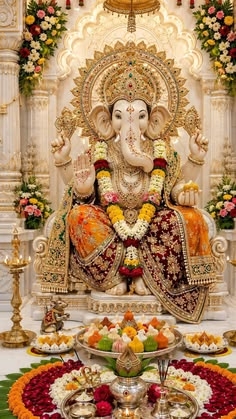
Lord Ganesha – The Divine God of Wisdom, Prosperity and New Beginnings
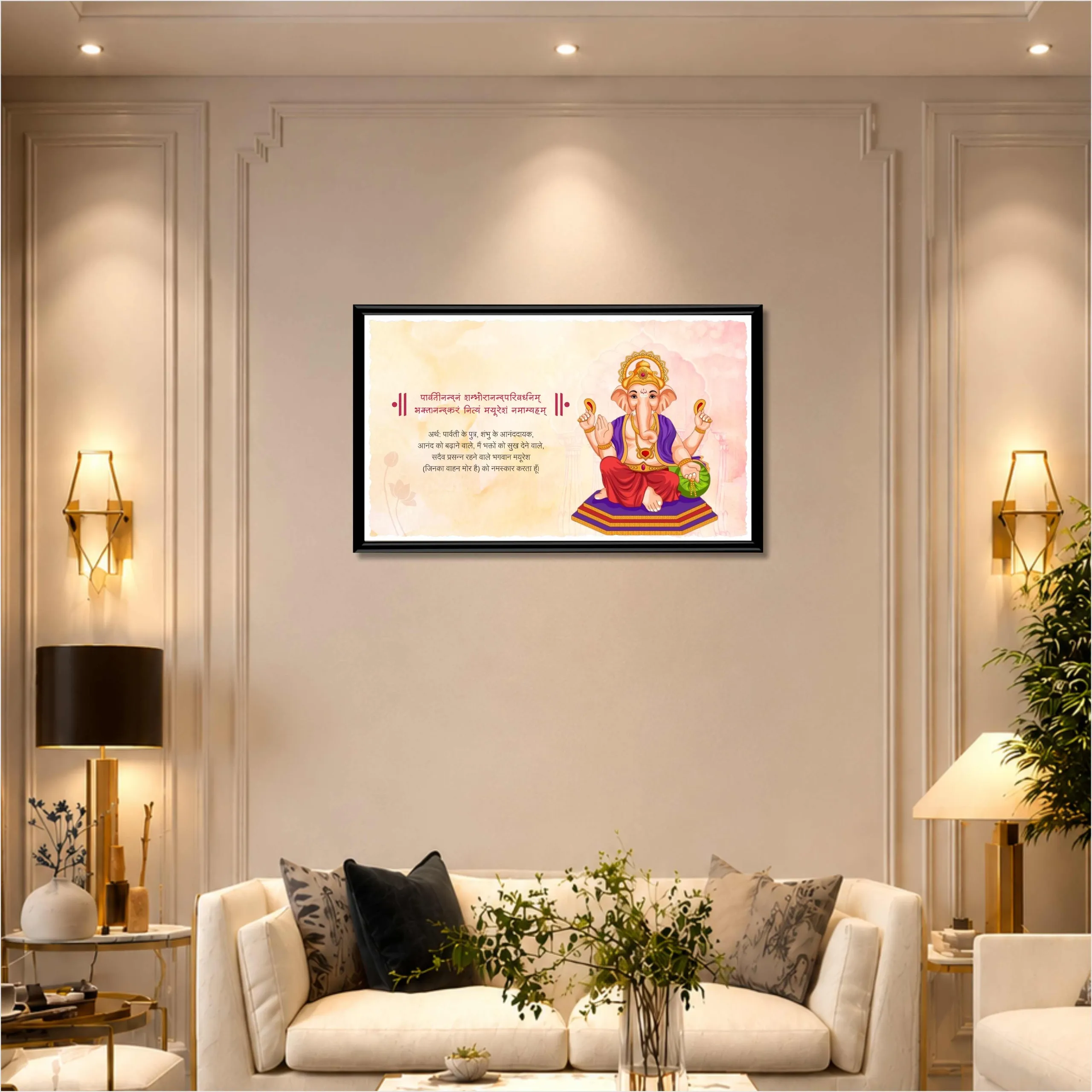
Lord Ganesha, also lovingly known as Ganpati, Ganesh, Vinayaka, and Vighnaharta, is one of the most widely worshipped deities in Hinduism. Recognized by his elephant head and human body, Lord Ganesha represents wisdom, intelligence, prosperity, good fortune, and new beginnings.
He is the beloved son of Lord Shiva and Goddess Parvati and is traditionally worshipped before starting important activities, including religious ceremonies, business ventures, marriages, educational journeys, and other significant occasions.Devotees believe that praying to Lord Ganesha helps remove obstacles, encourages positive thinking, brings blessings for success and happiness.
The Birth Story of Lord Ganesha
One of the most popular stories in Hindu mythology describes the divine birth of Lord Ganesha.Goddess Parvati created a young boy from the turmeric paste or sacred substance used during her bath. She gave life to the boy and instructed him to guard the entrance while she rested.
When Lord Shiva returned home, he was stopped by the young boy, who did not recognize him and refused to allow him inside.A conflict followed, and in the traditional account, Lord Shiva severed the boy's head.
When Goddess Parvati discovered what had happened, she was overcome with grief and anger. To console her and restore the boy's life, Lord Shiva instructed his attendants to bring the head of the first suitable living being they encountered. They returned with the head of an elephant and Lord Shiva placed the elephant's head on the boy's body and brought him back to life.
He then blessed him with a special position among the gods and declared that Ganesha would be worshipped before the beginning of auspicious activities.Thus, Lord Ganesha became known as the remover of obstacles and the god of new beginnings.
Why Does Lord Ganesha Have an Elephant Head?
The elephant head of Lord Ganesha is one of the most recognizable symbols in Hindu spirituality.It represents:
- Wisdom: The elephant is associated with intelligence and understanding.
- Strength: It symbolizes the ability to face difficult situations with courage.
- Patience: It teaches us to remain calm and thoughtful.
- Memory: It represents knowledge, learning, and the ability to retain wisdom.
- Compassion: It reminds us to treat all living beings with kindness.
The elephant head teaches us that true intelligence is not only about knowledge but also about understanding, patience, and compassion.
The Symbolism Behind Lord Ganesha's Appearance :Every feature of Lord Ganesha carries a meaningful spiritual message.
Large Ears – Listen More
His large ears remind us to listen carefully and patiently. Good listening helps us understand others and make better decisions.
Small Eyes – Focus and Concentration
His small eyes symbolize concentration and the ability to focus on important goals.
Large Head – Think Big
The large head represents wisdom, broad thinking, and the importance of developing knowledge.
Long Trunk – Adaptability
His trunk represents strength as well as flexibility. It teaches us to adapt to different circumstances in life.
One Broken Tusk – Sacrifice and Determination
Lord Ganesha is also known as Ekadanta, meaning the one with a single tusk.According to a popular legend, he broke one of his tusks and used it as a writing instrument while recording the Mahabharata as dictated by Sage Vyasa.
The broken tusk symbolizes sacrifice, dedication, and the importance of completing one's responsibilities.
Large Belly – Acceptance
His large belly represents the ability to peacefully accept and digest the experiences of life, both pleasant and unpleasant.
Mouse as His Vehicle – Control Over Desires
Lord Ganesha's vehicle is a mouse, traditionally called Mushika. The mouse symbolizes desires and restless thoughts. Ganesha riding the mouse represents wisdom and self-control over uncontrolled desires.
4. Why Is Lord Ganesha Worshiped First?
Lord Ganesha is traditionally worshipped before other deities during many Hindu religious ceremonies.He is known as Vighnaharta, the remover of obstacles, and Vighneshwara, the lord of obstacles.
According to Hindu traditions, worshipping Ganesha at the beginning of an important activity invites divine blessings and encourages a positive start.People pray to him before:
- Starting a new business.
- Beginning a new job.
- Purchasing a house or vehicle.
- Starting educational journeys.
- Celebrating marriages.
- Performing religious ceremonies.
- Beginning new personal projects.
His blessings symbolize wisdom, confidence, determination, and the strength to overcome challenges.
5. Different Names of Lord Ganesha and Their Meanings
Lord Ganesha is known by many beautiful names. Each name describes a different divine quality.
| Name | Meaning |
|---|---|
| Ganesh | Lord of the Ganas |
| Ganpati | Leader of divine attendants |
| Vinayaka | Supreme leader |
| Vighnaharta | Remover of obstacles |
| Ekadanta | One with a single tusk |
| Gajanan | Elephant-faced deity |
| Lambodara | The one with a large belly |
| Siddhivinayak | Bestower of spiritual accomplishments |
| Sumukha | The one with an auspicious face |
| Vakratunda | The one with a curved trunk |
| Heramba | Protector of the weak |
| Bhalchandra | The one who wears the moon on his forehead |
6. Popular Mantras of Lord Ganesha
Mantras are sacred sounds and prayers used by devotees to express faith and devotion.
1. Ganesh Beej Mantra
ॐ गं गणपतये नमः।
Om Gam Ganapataye Namah.
Meaning: I bow to Lord Ganesha and seek his blessings.
2. Vakratunda Mahakaya Mantra
वक्रतुण्ड महाकाय सूर्यकोटि समप्रभ।
निर्विघ्नं कुरु मे देव सर्वकार्येषु सर्वदा॥
Vakratunda Mahakaya Suryakoti Samaprabha,
Nirvighnam Kuru Me Deva Sarva Karyeshu Sarvada.
Meaning: O Lord Ganesha, with your curved trunk and magnificent form, shining like millions of suns, please bless all my activities and remove obstacles from my path.
.7. Favorite Offerings of Lord Ganesha
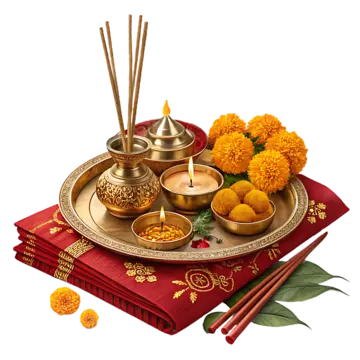
Lord Ganesha is traditionally offered a variety of sweets, fruits, and flowers.
Some of the most popular offerings include:
- Modak: A sweet dumpling traditionally associated with Lord Ganesha.
- Laddu: A favourite sweet offered during festivals and pujas.
- Durva Grass: A sacred grass traditionally offered during Ganesha worship.
- Red Flowers: Especially red hibiscus, which is commonly used in worship.
- Coconut: Offered as a symbol of purity and devotion.
- Bananas: A popular fruit offering.
- Jaggery: Traditionally used in many devotional preparations.
Modak holds a special place in Ganesha worship. It symbolizes sweetness, happiness, and the rewards of spiritual knowledge.
8. Ganesh Chaturthi: The Grand Festival of Lord Ganesha
Ganesh Chaturthi is one of the most important Hindu festivals dedicated to Lord Ganesha.It is celebrated during the Hindu month of Bhadrapada, generally falling in August or September.The festival celebrates the birth of Lord Ganesha and is observed with great devotion across India.
How Is Ganesh Chaturthi Celebrated?
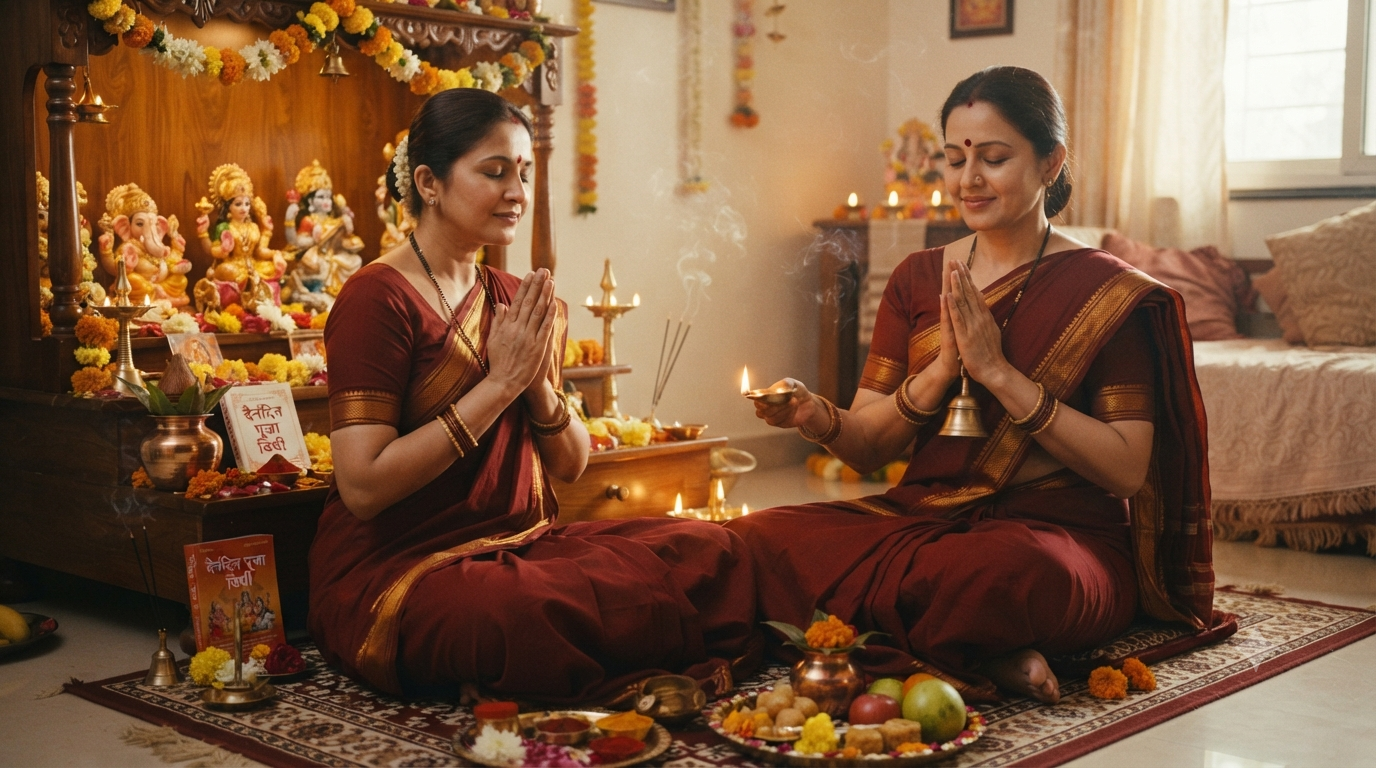
The celebration generally includes Bringing beautifully decorated Ganesha idols home or to community pandals. Then perform Ganesh Sthapana and Pran Pratishtha according to tradition. Followed by offering flowers, fruits, modaks, and other sweets. Both times Morning and Evening Daily twice Arti is performed,devotees sing bhajans and organize cultural programmes. Then Ganesh Visarjan at the conclusion of the festival. Ganesh Visarjan marks the ceremonial farewell to Lord Ganesha.Devotees carry the idol in joyful processions while chanting:
Ganpati Bappa Morya!
The immersion symbolizes the cycle of creation and dissolution and reminds us that everything in the material world is temporary.Many devotees now prefer eco-friendly clay idols and natural decorations to protect the environment.
9. Famous Temples of Lord Ganesha in India
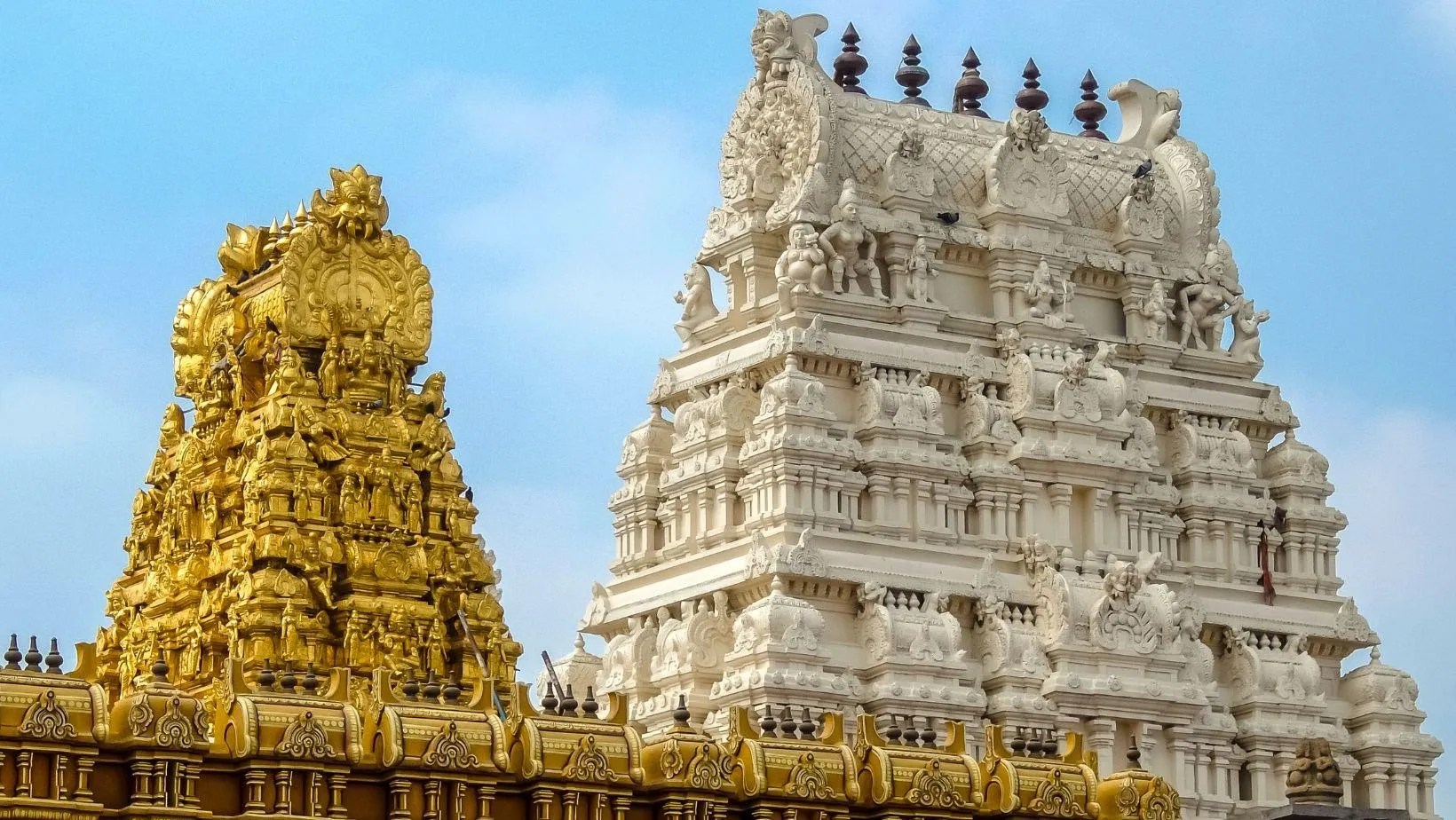
India is home to several beautiful and historically significant Ganesha temples.
Siddhivinayak Temple – Mumbai, Maharashtra
One of India's most famous Ganesha temples, Siddhivinayak Temple,it is especially popular among people seeking blessings for success and prosperity.
Dagdusheth Halwai Ganpati – Pune, Maharashtra
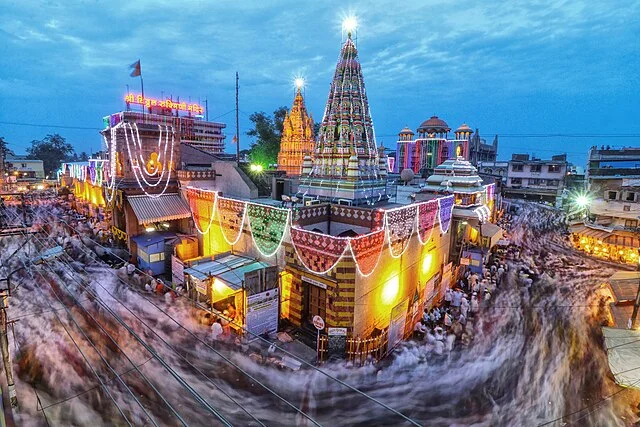
Located in Pune, this famous temple is known for its beautifully decorated idol and grand Ganesh Chaturthi celebrations.
Ashtavinayak Temples – Maharashtra
The Ashtavinayak pilgrimage includes eight sacred Ganesha temples located in different parts of Maharashtra.The eight temples are:
- Moreshwar Temple – Morgaon.
- Siddhivinayak Temple – Siddhatek.
- Ballaleshwar Temple – Pali.
- Varadvinayak Temple – Mahad.
- Chintamani Temple – Theur.
- Girijatmaj Temple – Lenyadri.
- Vighneshwar Temple – Ozar.
- Mahaganapati Temple – Ranjangaon.
Kanipakam Vinayaka Temple – Andhra Pradesh
This ancient temple is dedicated to Lord Ganesha and is known for its sacred traditions and religious significance.
Ranthambore Ganesh Temple – Rajasthan
Located within the Ranthambore Fort complex, this temple is an important pilgrimage destination for Ganesha devotees.
.Conclusion: May Lord Ganesha Bless Everyone with Happiness and Prosperity
Lord Ganesha is much more than a deity associated with removing obstacles. He represents wisdom, patience, determination, humility, and the power of positive beginnings.
His divine form reminds us to think wisely, listen carefully, remain focused, and face life's challenges with courage.His blessings are sought by millions of devotees who pray for happiness, prosperity, good health, knowledge, and success.
May the divine blessings of Lord Ganesha bring peace, happiness, and prosperity into everyone's life.
गणपति बप्पा मोरया!
मंगल मूर्ति मोरया!