Welcome to SARGANDHA • Join as a Partner →
Play
Kaal Bhairav Jayanti 2026: Date, Shubh Muhurat, Puja Vidhi, Vrat Katha and Significance

Kaal Bhairav Jayanti 2026: Date, Shubh Muhurat, Puja Vidhi, Vrat Katha and Significance

Know Kaal Bhairav Jayanti 2026 date, shubh muhurat, complete puja vidhi, vrat katha, puja samagri, mantras and fasting rules.

M

Mansi Jain

1 day ago

4 views ·1 day ago
#TrendingEvent

Kaal Bhairav Jayanti 2026: Date, Shubh Muhurat, Puja Vidhi, Vrat Katha and Significance

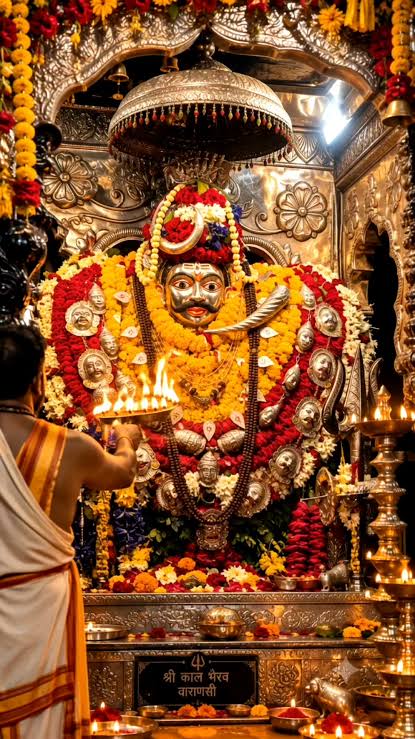
Kaal Bhairav Jayanti is one of the most sacred festivals dedicated to Lord Shiva's fierce form, Shri Kaal Bhairav. Devotees worship Lord Kaal Bhairav to seek protection from fear, negative energies, obstacles and difficulties in life.Also known as Kalabhairav Ashtami and Bhairav Ashtami, this festival commemorates the appearance of Lord Kaal Bhairav.

1. When Is Kaal Bhairav Jayanti in 2026?

In India, Kaal Bhairav Jayanti will be celebrated on Tuesday, 1 December 2026.

It is observed on Margashirsha Krishna Paksha Ashtami.

Important Panchang details:

  • Festival date: Tuesday, 1 December 2026
  • Tithi: Margashirsha Krishna Ashtami
  • Ashtami Tithi begins: 12:12 AM, 1 December
  • Ashtami Tithi ends: 11:14 PM, 1 December
  • Preferred puja time: Evening Pradosh Kaal

Timings are indicative and can vary slightly according to the local Panchang.

2. Religious Significance of Kaal Bhairav Jayanti

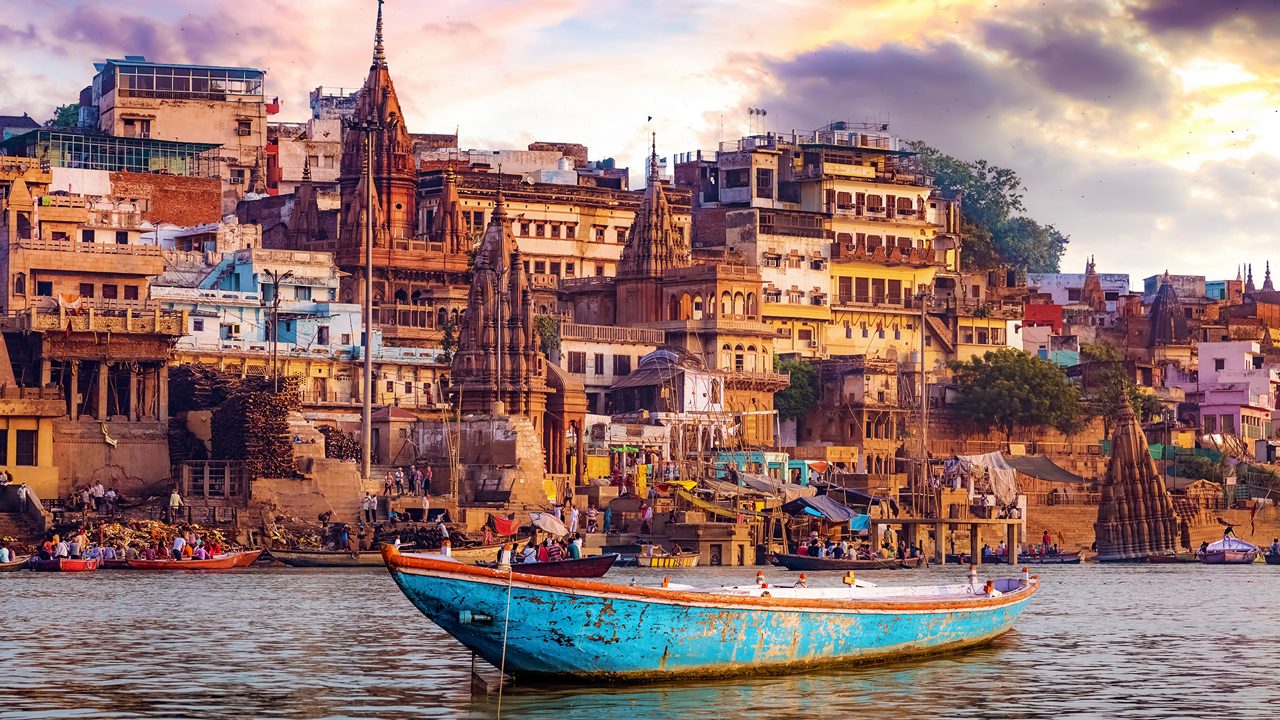
According to Hindu beliefs, Lord Kaal Bhairav is a powerful manifestation of Lord Shiva. He is considered the guardian of time and the protector of devotees. He is also known as the Kotwal of Kashi.

Worshipping Lord Kaal Bhairav on this auspicious day is believed to bring:

  • Protection from negative energies.
  • Courage and confidence.
  • Relief from fear and difficulties.
  • Peace and prosperity.
  • Spiritual strength and discipline.
  • Blessings of Lord Shiva.

3. Kaal Bhairav Jayanti Puja Samagri

  1. Picture or idol of Lord Kaal Bhairav.
  2. Clean red or black cloth.
  3. Mustard oil.
  4. Earthen or metal diya.
  5. Incense sticks and camphor.
  6. Flowers and garland.
  7. Black sesame seeds.
  8. Black urad dal.
  9. Coconut.
  10. Fruits and sweets.
  11. Water and Gangajal.
  12. Betel leaves and betel nuts.
  13. Panchamrit, if traditionally used.
  14. Prasad.

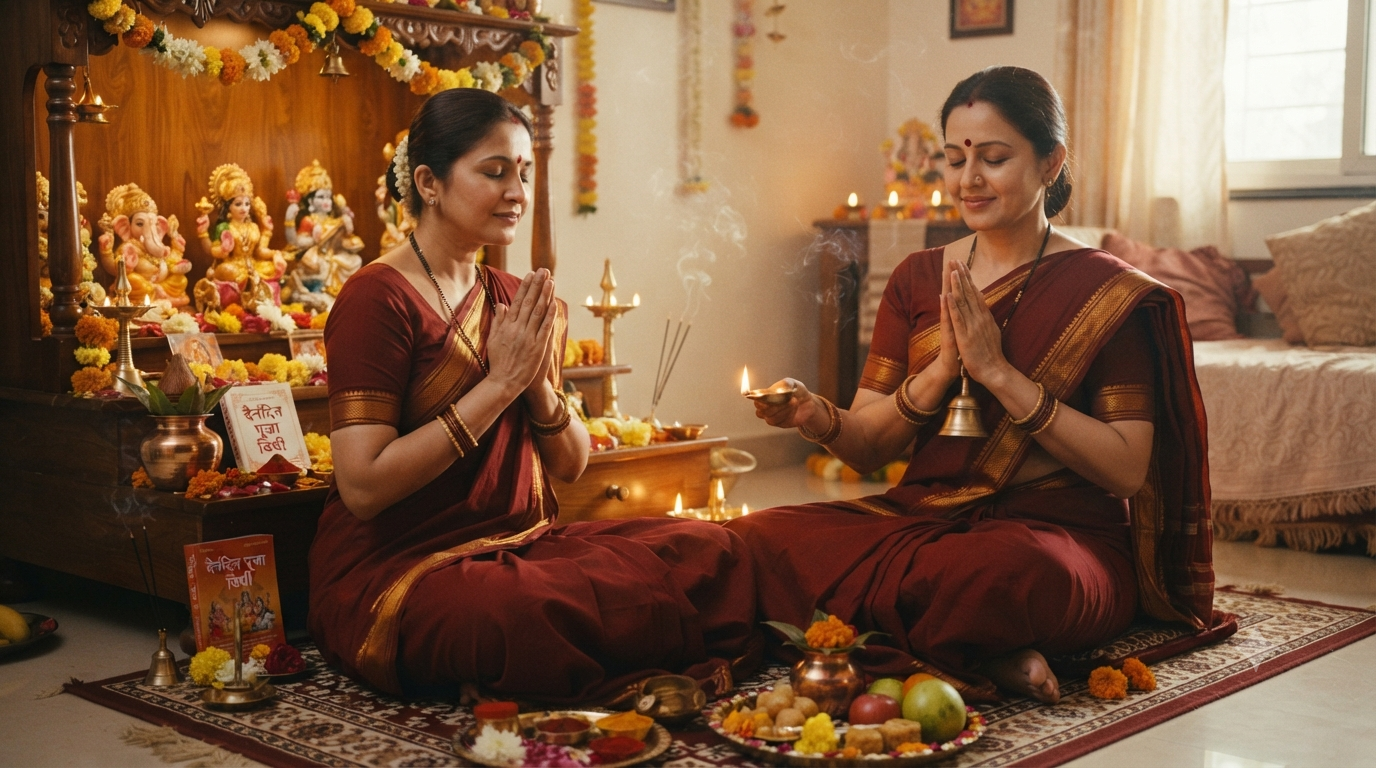
4. Complete Kaal Bhairav Jayanti Puja Vidhi at Home

Follow these simple steps to worship Lord Kaal Bhairav at home.

Step 1: Wake Up Early and Take a Bath . Clean the puja area and prepare a small place for worship.

Step 2: Take a Vrat Sankalp .Sit peacefully before Lord Kaal Bhairav and take a vow to observe the fast with devotion.

Step 3: Establish the Idol or Picture. Light a diya and incense sticks.

Step 4: Offer Flowers, fruits, coconut, black sesame seeds and black urad dal according to your family tradition.

Step 5: Light a Mustard Oil Diya, it is considered auspicious.

Step 6: Chant Kaal Bhairav Mantra  108 times:

ॐ कालभैरवाय नमः॥

Om Kaal Bhairavaya Namah.

You can also recite Shri Kaal Bhairav Ashtakam.

Step 7: Read Kaal Bhairav Vrat Katha.

Step 8: Perform Aarti of Lord Kaal Bhairav with a diya and pray for happiness, protection and prosperity.

Step 9: Offer Prasad, fruits and sweets to the deity and distribute the prasad among family members.

Step 10: Feed a Dog,Feeding dogs is considered especially auspicious because a dog is traditionally associated with Lord Bhairav as his vehicle.Offer food to a dog with kindness and care.

5. Kaal Bhairav Jayanti Vrat Rules

Devotees observe a fast according to their capacity and family traditions.

Some common vrat rules include:

  • Wake up early and maintain cleanliness.
  • Observe a full-day fast or a fruit-based fast.
  • Avoid non-vegetarian food and alcohol.
  • Maintain a peaceful mind.
  • Avoid anger, arguments and negative thoughts.
  • Chant Lord Shiva and Kaal Bhairav mantras.
  • Perform evening puja and aarti.
  • Donate food to needy people.

Fasting without water is not compulsory. Devotees should choose a suitable fast according to their health.

6. Powerful Kaal Bhairav Mantra

The mantra which is widely chanted by devotees:

ॐ कालभैरवाय नमः॥

Meaning: I bow to Lord Kaal Bhairav, the divine form of Lord Shiva.

Chanting this mantra with devotion is believed to bring courage, peace and spiritual protection.

7. Kaal Bhairav Jayanti Vrat Katha

According to a popular Hindu religious account, once Lord Brahma became proud of his position and made disrespectful remarks about Lord Shiva.Lord Shiva manifested in the fierce form of Kaal Bhairav to destroy this arrogance.

Kaal Bhairav severed Brahma's fifth head. As a result, he had to carry the skull as part of the consequence of this act.He travelled to different sacred places until he reached Kashi, where the skull fell from his hand.

Lord Shiva then appointed Kaal Bhairav as the guardian of Kashi. Since then, devotees have worshiped Lord Kaal Bhairav as the protector of the holy city and the remover of fear. Kaal Bhairav Jayanti commemorates his divine appearance.

8. What Should We Donate on Kaal Bhairav Jayanti?

Donating according to one's capacity is considered auspicious.

Devotees may donate:

  • Black sesame seeds.
  • Mustard oil.
  • Black clothes.
  • Food and grains.
  • Fruits and sweets.
  • Food to needy people.

Feeding dogs with suitable food is also a traditional practice.

Conclusion

Kaal Bhairav Jayanti is a sacred occasion to remember Lord Shiva's powerful manifestation, Shri Kaal Bhairav.

On 1 December 2026, devotees can observe the vrat, perform puja, chant mantras, read the vrat katha and offer food to dogs and needy people.

May Lord Kaal Bhairav remove fear and difficulties from everyone's life and bless all devotees with courage, happiness, peace and prosperity.

Jai Shri Kaal Bhairav! Har Har Mahadev!


About the author

Mansi Jain

0 followers

Spiritual events , Adhyatm,yoga related and also meditation related contents are my interest areas..

More Trending Event

Trending Event The history of the Wari
SARGANDHA · 4 MONTHS AGO

The history of the Wari

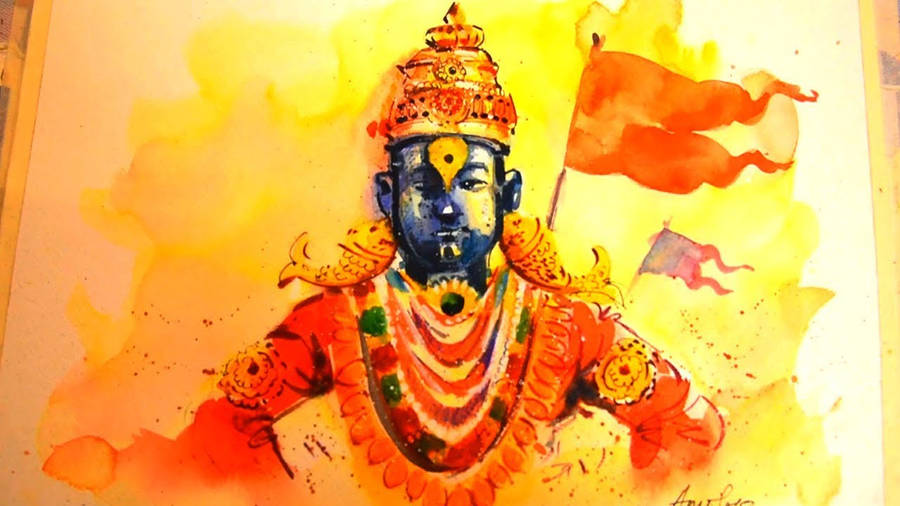
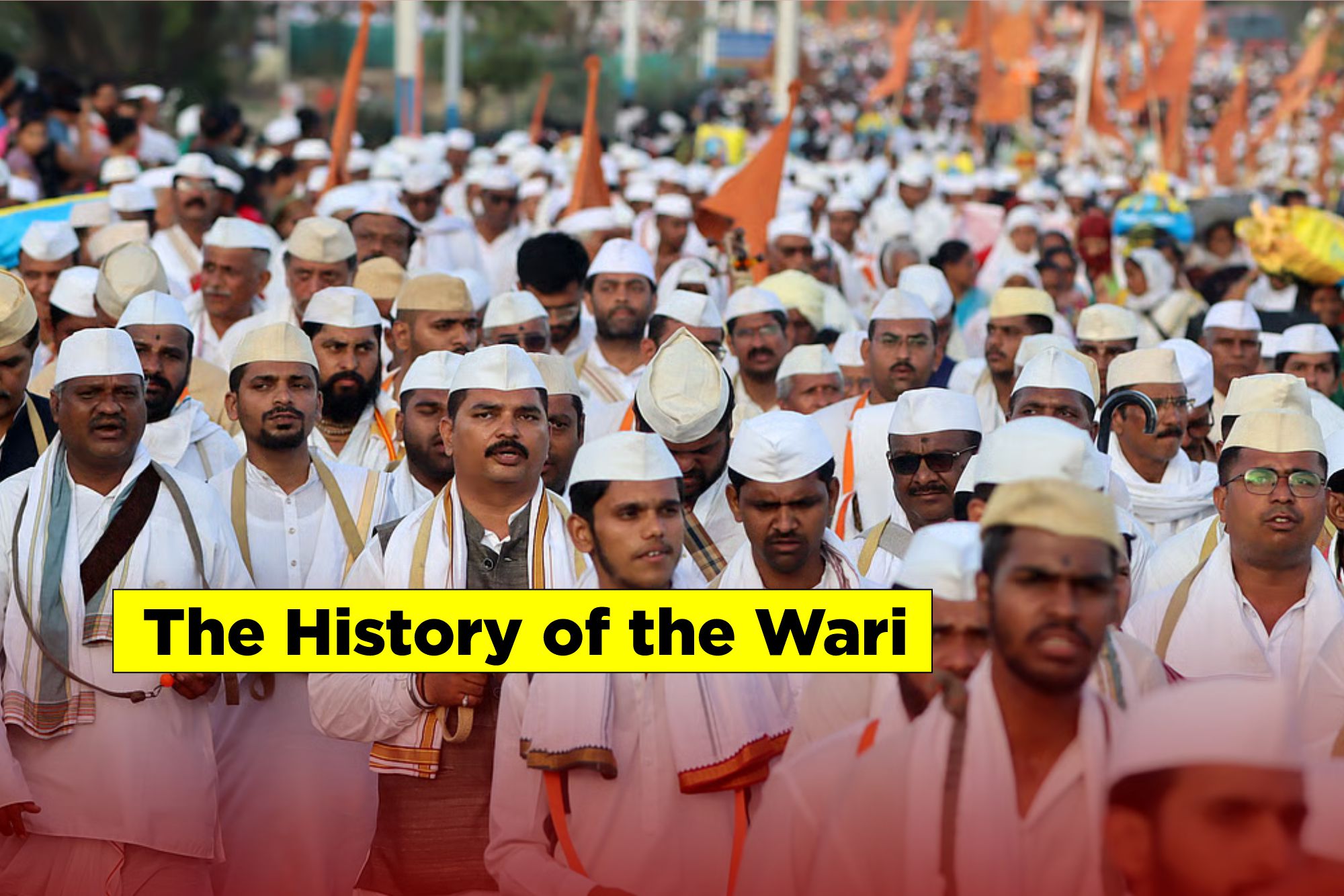
The history of the Wari In the world we live in today, where people are constantly rushing from one task to the next, there’s a tradition that slows everything down, not because it’s slow, but because it teaches us the value of walking together. That tradition is Wari, or Vari Parampara, a centuries-old spiritual journey that brings together millions of devotees every year in Maharashtra. What is Wari? Wari is a pilgrimage where people, called Warkaris, walk for hundreds of kilometres to reach the holy town of Pandharpur, the home of Lord Vitthal (Vithoba), a form of Lord Krishna. They walk with palkhis (palanquins) carrying the footprints or symbolic belongings of saints like Sant Dnyaneshwar and Sant Tukaram. A Tradition of Over 700 Years This incredible tradition has been followed for over 700 years. It started with the teachings of great saints like Sant Dnyaneshwar, Sant Tukaram, Sant Namdev, and many others who believed that God lives among the people, not only in temples. For them, walking together to Pandharpur was a way of expressing love and surrender to Vitthal not just with prayers, but with action, sweat, and shared human spirit. Who Are the Warkaris? Warkaris are not defined by age, caste, class, or education. They are farmers, students, workers, housewives, everyday people with extraordinary faith. Wearing simple white clothes, tulsi malas, and a small bag, they walk joyfully, singing abhangas (devotional songs), playing tal, mridang, and ektara. They help each other, feed strangers, and live simply along the route. There’s no show, no luxury, just pure devotion and community spirit. Lessons from the Wari In today’s digital world, where people often feel disconnected despite being online, the Wari teaches us to reconnect with ourselves and each other. Here’s what Wari gives us: Patience – Walking long distances requires strength and control. Equality – Everyone walks together. No one is above or below. Discipline – Daily prayers, songs, and service bring focus to the mind. Unity – People from different villages, backgrounds, and beliefs move like one big family. Gratitude – Even with minimum resources, Warkaris are filled with joy and thankfulness. Why Wari Still Matters Today It shows us that faith doesn’t need big temples or expensive rituals. It just needs a willing heart and a walking step. In a time when the world needs more love, kindness, and togetherness, the Vari Parampara is not just relevant, it’s necessary. Final Thought You may not be a Warkari, and you may never walk in the Wari. But even learning about it reminds us of what really matters: faith, simplicity, and walking together on life’s path.

Trending Event Panchmarhi Spiritual Retreats (Madhya Pradesh, India)
SARGANDHA · 4 MONTHS AGO

Panchmarhi Spiritual Retreats (Madhya Pradesh, India)

Organized by Brahma Kumaris, these retreats offer Rajyoga meditation, silence sessions, and teachings on soul consciousness. They are ideal for people looking to unplug from urban chaos and dive into self-reflection.

Trending Event Himalayan Spiritual Treks (Uttarakhand, Nepal)
SARGANDHA · 4 MONTHS AGO

Himalayan Spiritual Treks (Uttarakhand, Nepal)

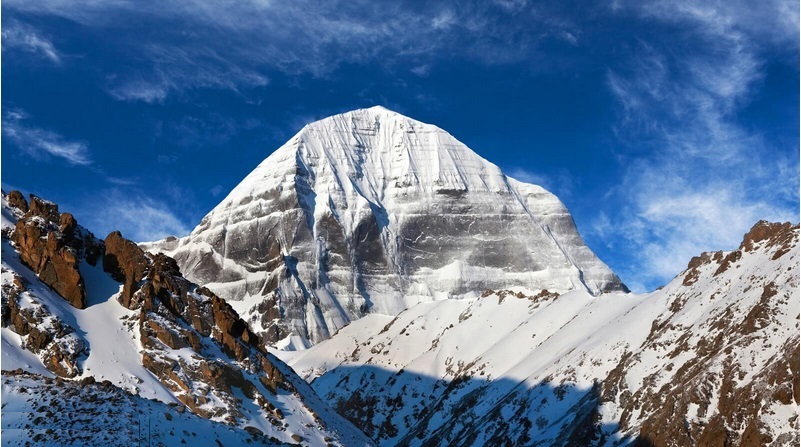
Combining adventure and spirituality, treks to Kedarnath, Kailash Mansarovar, and other Himalayan spots offer both inner peace and natural beauty. Many retreats also include spiritual discourses and group meditation at high-altitude monasteries.

Trending Event Trending Spiritual Events in 2025: Awakening the Soul Worldwide
SARGANDHA · 4 MONTHS AGO

Trending Spiritual Events in 2025: Awakening the Soul Worldwide

In today's fast-paced digital world, people are increasingly seeking peace, mindfulness, and a deeper connection with their inner self. This has given rise to a wave of spiritual events and retreats across the globe that are gaining massive popularity in 2025. Here’s a look at some of the most trending spiritual events that are drawing thousands of seekers from all walks of life: 1. International Yoga Festival (Rishikesh, India) Held every March at the Parmarth Niketan Ashram in Rishikesh, this week-long event gathers yoga lovers and spiritual leaders from around the world. It's more than just yoga—it's about transformation, meditation, healing music, and cultural exchange. 2. Kumbh Mela (Prayagraj, India) Although the full-scale Kumbh Mela happens every 12 years, mini versions called Ardh Kumbh and Magh Mela are also highly attended. These events are rooted in ancient tradition, where millions gather for a holy dip in sacred rivers believed to cleanse karma and bring spiritual liberation. 3. World Consciousness Forum (USA & Online) This global summit is a meeting ground for modern-day spiritual thinkers, neuroscientists, monks, and authors. The 2025 edition focuses on "Spirituality in the Age of AI", exploring how technology can support higher consciousness rather than distract from it. 4. Full Moon Silent Retreats (Bali & Costa Rica) Silent retreats are becoming a modern spiritual trend, and the full moon versions are especially popular. These retreats allow participants to disconnect from the noise of everyday life and reconnect with nature, inner peace, and spiritual practices like Vipassana meditation. 5. Astro-Spiritual Workshops (Online + India-based centers) With astrology gaining new popularity among youth, astro-spiritual workshops combining birth chart analysis, energy healing, and manifestation techniques are trending. These are ideal for people seeking both guidance and self-discovery.

Trending News Lord Ganesha – The Divine God of Wisdom, Prosperity and New Beginnings
Pawan · 1 DAY AGO

Lord Ganesha – The Divine God of Wisdom, Prosperity and New Beginnings

Lord Ganesha – The Divine God of Wisdom, Prosperity and New BeginningsLord Ganesha, also lovingly known as Ganpati, Ganesh, Vinayaka, and Vighnaharta, is one of the most widely worshipped deities in Hinduism. Recognized by his elephant head and human body, Lord Ganesha represents wisdom, intelligence, prosperity, good fortune, and new beginnings.He is the beloved son of Lord Shiva and Goddess Parvati and is traditionally worshipped before starting important activities, including religious ceremonies, business ventures, marriages, educational journeys, and other significant occasions.Devotees believe that praying to Lord Ganesha helps remove obstacles, encourages positive thinking, brings blessings for success and happiness. The Birth Story of Lord GaneshaOne of the most popular stories in Hindu mythology describes the divine birth of Lord Ganesha.Goddess Parvati created a young boy from the turmeric paste or sacred substance used during her bath. She gave life to the boy and instructed him to guard the entrance while she rested.When Lord Shiva returned home, he was stopped by the young boy, who did not recognize him and refused to allow him inside.A conflict followed, and in the traditional account, Lord Shiva severed the boy's head.When Goddess Parvati discovered what had happened, she was overcome with grief and anger. To console her and restore the boy's life, Lord Shiva instructed his attendants to bring the head of the first suitable living being they encountered. They returned with the head of an elephant and Lord Shiva placed the elephant's head on the boy's body and brought him back to life.He then blessed him with a special position among the gods and declared that Ganesha would be worshipped before the beginning of auspicious activities.Thus, Lord Ganesha became known as the remover of obstacles and the god of new beginnings.Why Does Lord Ganesha Have an Elephant Head?The elephant head of Lord Ganesha is one of the most recognizable symbols in Hindu spirituality.It represents:Wisdom: The elephant is associated with intelligence and understanding.Strength: It symbolizes the ability to face difficult situations with courage.Patience: It teaches us to remain calm and thoughtful.Memory: It represents knowledge, learning, and the ability to retain wisdom.Compassion: It reminds us to treat all living beings with kindness.The elephant head teaches us that true intelligence is not only about knowledge but also about understanding, patience, and compassion.The Symbolism Behind Lord Ganesha's Appearance :Every feature of Lord Ganesha carries a meaningful spiritual message.Large Ears – Listen MoreHis large ears remind us to listen carefully and patiently. Good listening helps us understand others and make better decisions.Small Eyes – Focus and ConcentrationHis small eyes symbolize concentration and the ability to focus on important goals.Large Head – Think BigThe large head represents wisdom, broad thinking, and the importance of developing knowledge.Long Trunk – AdaptabilityHis trunk represents strength as well as flexibility. It teaches us to adapt to different circumstances in life.One Broken Tusk – Sacrifice and DeterminationLord Ganesha is also known as Ekadanta, meaning the one with a single tusk.According to a popular legend, he broke one of his tusks and used it as a writing instrument while recording the Mahabharata as dictated by Sage Vyasa.The broken tusk symbolizes sacrifice, dedication, and the importance of completing one's responsibilities.Large Belly – AcceptanceHis large belly represents the ability to peacefully accept and digest the experiences of life, both pleasant and unpleasant.Mouse as His Vehicle – Control Over DesiresLord Ganesha's vehicle is a mouse, traditionally called Mushika. The mouse symbolizes desires and restless thoughts. Ganesha riding the mouse represents wisdom and self-control over uncontrolled desires.4. Why Is Lord Ganesha Worshiped First?Lord Ganesha is traditionally worshipped before other deities during many Hindu religious ceremonies.He is known as Vighnaharta, the remover of obstacles, and Vighneshwara, the lord of obstacles.According to Hindu traditions, worshipping Ganesha at the beginning of an important activity invites divine blessings and encourages a positive start.People pray to him before:Starting a new business.Beginning a new job.Purchasing a house or vehicle.Starting educational journeys.Celebrating marriages.Performing religious ceremonies.Beginning new personal projects.His blessings symbolize wisdom, confidence, determination, and the strength to overcome challenges.5. Different Names of Lord Ganesha and Their MeaningsLord Ganesha is known by many beautiful names. Each name describes a different divine quality.NameMeaningGaneshLord of the GanasGanpatiLeader of divine attendantsVinayakaSupreme leaderVighnahartaRemover of obstaclesEkadantaOne with a single tuskGajananElephant-faced deityLambodaraThe one with a large bellySiddhivinayakBestower of spiritual accomplishmentsSumukhaThe one with an auspicious faceVakratundaThe one with a curved trunkHerambaProtector of the weakBhalchandraThe one who wears the moon on his forehead6. Popular Mantras of Lord GaneshaMantras are sacred sounds and prayers used by devotees to express faith and devotion.1. Ganesh Beej Mantraॐ गं गणपतये नमः।Om Gam Ganapataye Namah.Meaning: I bow to Lord Ganesha and seek his blessings.2. Vakratunda Mahakaya Mantraवक्रतुण्ड महाकाय सूर्यकोटि समप्रभ।निर्विघ्नं कुरु मे देव सर्वकार्येषु सर्वदा॥Vakratunda Mahakaya Suryakoti Samaprabha,Nirvighnam Kuru Me Deva Sarva Karyeshu Sarvada.Meaning: O Lord Ganesha, with your curved trunk and magnificent form, shining like millions of suns, please bless all my activities and remove obstacles from my path..7. Favorite Offerings of Lord GaneshaLord Ganesha is traditionally offered a variety of sweets, fruits, and flowers.Some of the most popular offerings include:Modak: A sweet dumpling traditionally associated with Lord Ganesha.Laddu: A favourite sweet offered during festivals and pujas.Durva Grass: A sacred grass traditionally offered during Ganesha worship.Red Flowers: Especially red hibiscus, which is commonly used in worship.Coconut: Offered as a symbol of purity and devotion.Bananas: A popular fruit offering.Jaggery: Traditionally used in many devotional preparations.Modak holds a special place in Ganesha worship. It symbolizes sweetness, happiness, and the rewards of spiritual knowledge.8. Ganesh Chaturthi: The Grand Festival of Lord GaneshaGanesh Chaturthi is one of the most important Hindu festivals dedicated to Lord Ganesha.It is celebrated during the Hindu month of Bhadrapada, generally falling in August or September.The festival celebrates the birth of Lord Ganesha and is observed with great devotion across India.How Is Ganesh Chaturthi Celebrated?The celebration generally includes Bringing beautifully decorated Ganesha idols home or to community pandals. Then perform Ganesh Sthapana and Pran Pratishtha according to tradition. Followed by offering flowers, fruits, modaks, and other sweets. Both times Morning and Evening Daily twice Arti is performed,devotees sing bhajans and organize cultural programmes. Then Ganesh Visarjan at the conclusion of the festival. Ganesh Visarjan marks the ceremonial farewell to Lord Ganesha.Devotees carry the idol in joyful processions while chanting:Ganpati Bappa Morya!The immersion symbolizes the cycle of creation and dissolution and reminds us that everything in the material world is temporary.Many devotees now prefer eco-friendly clay idols and natural decorations to protect the environment.9. Famous Temples of Lord Ganesha in IndiaIndia is home to several beautiful and historically significant Ganesha temples.Siddhivinayak Temple – Mumbai, MaharashtraOne of India's most famous Ganesha temples, Siddhivinayak Temple,it is especially popular among people seeking blessings for success and prosperity.Dagdusheth Halwai Ganpati – Pune, MaharashtraLocated in Pune, this famous temple is known for its beautifully decorated idol and grand Ganesh Chaturthi celebrations.Ashtavinayak Temples – MaharashtraThe Ashtavinayak pilgrimage includes eight sacred Ganesha temples located in different parts of Maharashtra.The eight temples are:Moreshwar Temple – Morgaon.Siddhivinayak Temple – Siddhatek.Ballaleshwar Temple – Pali.Varadvinayak Temple – Mahad.Chintamani Temple – Theur.Girijatmaj Temple – Lenyadri.Vighneshwar Temple – Ozar.Mahaganapati Temple – Ranjangaon.Kanipakam Vinayaka Temple – Andhra PradeshThis ancient temple is dedicated to Lord Ganesha and is known for its sacred traditions and religious significance.Ranthambore Ganesh Temple – RajasthanLocated within the Ranthambore Fort complex, this temple is an important pilgrimage destination for Ganesha devotees..Conclusion: May Lord Ganesha Bless Everyone with Happiness and ProsperityLord Ganesha is much more than a deity associated with removing obstacles. He represents wisdom, patience, determination, humility, and the power of positive beginnings.His divine form reminds us to think wisely, listen carefully, remain focused, and face life's challenges with courage.His blessings are sought by millions of devotees who pray for happiness, prosperity, good health, knowledge, and success.May the divine blessings of Lord Ganesha bring peace, happiness, and prosperity into everyone's life.गणपति बप्पा मोरया!मंगल मूर्ति मोरया!

Trending News Tripurari Purnima 2026: Story, Significance, Puja Vidhi & Rituals
Pawan · 3 DAYS AGO

Tripurari Purnima 2026: Story, Significance, Puja Vidhi & Rituals

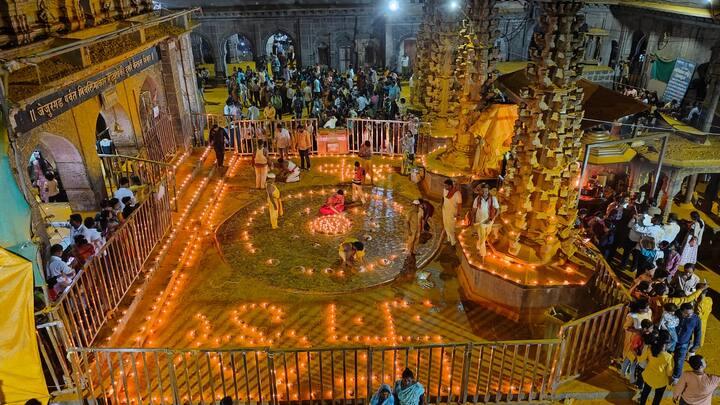
Tripurari Purnima 2026: Significance, Story of Lord Shiva, Kartik Purnima Rituals & Puja Samagri Tripurari Purnima is one of the most sacred occasions in Hindu tradition. Celebrated on Kartik Shukla Purnima, this auspicious day commemorates Lord Shiva's victory over the demon Tripurasura and the destruction of his three powerful cities. Also known as Tripuri Purnima and Kartik Purnima, this festival symbolises the victory of good over evil and light over darkness. Devotees celebrate this occasion by worshipping Lord Shiva, taking holy baths, lighting earthen diyas, performing Deep Daan and offering prayers. In many regions, the same occasion is celebrated as Dev Diwali, the Diwali of the Gods. When Is Tripurari Purnima in 2026? Tripurari Purnima will be celebrated on Tuesday, 24 November 2026. It falls on the full moon day of Kartik Shukla Paksha and is also observed as Kartik Purnima and Dev Diwali. Important Date and Tithi Details: Festival: Tripurari Purnima Date: Tuesday, 24 November 2026 Hindu Month: Kartik Paksha: Shukla Paksha Tithi: Purnima Purnima Tithi Begins: 11:42 PM on 23 November 2026 Purnima Tithi Ends: 8:23 PM on 24 November 2026 The above timings are based on the New Delhi Panchang. Local timings may vary. What Is Tripurari Purnima? Tripurari Purnima is a Hindu festival dedicated primarily to Lord Shiva. The word Tripurari is made up of two words: Tripura: The three cities associated with Tripurasura. Ari: Enemy or destroyer. Lord Shiva is known as Tripurari because he destroyed the three cities of Tripurasura and restored peace and balance in the universe. The Story of Tripurari Purnima: Lord Shiva and Tripurasura According to Hindu mythology, there were three powerful demon brothers who performed intense penance and received a boon from Lord Brahma. Their names were Tarakaksha, Kamalaksha and Vidyunmali. They were granted three magnificent cities known as Tripura: One city was made of gold. One city was made of silver. One city was made of iron. These cities were extremely powerful and could move through the universe. The three demon brothers gradually became arrogant and began troubling the gods and disturbing the balance of the universe. The gods approached Lord Shiva and requested his help. To restore Dharma and protect the universe, Lord Shiva took the divine form of Tripurantaka. According to the traditional legend, when the three cities aligned, Lord Shiva destroyed all three with a single divine arrow. This victory over Tripurasura became a symbol of the triumph of good over evil. The gods celebrated this divine victory by lighting lamps. This tradition is associated with the celebration of Tripurari Purnima and Dev Diwali. Religious Significance of Tripurari Purnima Tripurari Purnima holds deep spiritual importance for devotees of Lord Shiva. Some important religious beliefs associated with this day include: 1. Victory of Good Over Evil The destruction of Tripurasura represents the victory of righteousness over arrogance, negativity and evil. 2. Worship of Lord Shiva Devotees worship Lord Shiva as Tripurantaka and seek blessings for peace, strength and spiritual progress. 3. Importance of Deep Daan Lighting lamps is an important tradition. It symbolises the removal of darkness and the awakening of inner wisdom. 4. Spiritual Purification Kartik Purnima is considered an auspicious day for holy bathing, prayers, meditation and religious activities. 5. Charity and Kindness Donating food, clothes and essential items to people in need is considered a meaningful way to observe the occasion. Why Is Tripurari Purnima Also Called Kartik Purnima? Tripurari Purnima and Kartik Purnima refer to the same auspicious full moon day. Kartik Purnima is the name of the full moon day in the Hindu month of Kartik. It is called Tripurari Purnima because of Lord Shiva's victory over Tripurasura on this occasion, according to Hindu tradition. The same festival is also celebrated as Dev Diwali in several regions of India. Different names highlight different aspects of this sacred day: Kartik Purnima: The full moon of the Kartik month. Tripurari Purnima: Lord Shiva's victory over Tripurasura. Tripuri Purnima: Another traditional name for the same occasion. Dev Diwali: The festival believed to be celebrated by the gods. How Is Tripurari Purnima Celebrated? Devotees celebrate this sacred occasion with traditional worship and devotional activities. Common celebrations include: Taking a holy bath early in the morning. Worshipping Lord Shiva. Offering flowers, water and Bilva leaves. Chanting Shiva mantras. Lighting earthen diyas in temples and homes. Performing Deep Daan. Donating food and clothes. Visiting Shiva temples. Listening to religious stories and prayers. In Maharashtra, the festival is popularly known as Tripuri Pournima. Many Shiva temples illuminate their traditional stone lamp towers, known as Deepmalas. Tripurari Purnima Puja Samagri List Here is a traditional Tripurari Purnima puja samagri checklist: Lord Shiva idol or picture Shivling, where available Clean water and Gangajal Milk for Abhishek Bilva leaves Fresh flowers Haldi and Kumkum Akshat (uncooked rice) Sandalwood paste Earthen diyas Cotton wicks Pure ghee or diya oil Agarbatti Dhoop or Sambrani Kapoor Fruits Sweets and Prasad Coconut Puja thali Brass bell The exact puja items may vary according to regional and family traditions. Tripurari Purnima Puja Vidhi: Step-by-Step Rituals Devotees can perform a simple Lord Shiva puja at home by following these traditional steps. 1. Clean the Puja Area Clean the home temple and prepare a peaceful place for worship. Keep all the required puja materials ready. 2. Take a Holy Bath Wake up early and take a bath. Devotees traditionally consider Kartik Purnima an auspicious day for Kartik Snan. 3. Worship Lord Ganesha Begin the puja by remembering Lord Ganesha and seeking his blessings. 4. Perform Lord Shiva Abhishek Offer clean water and other traditional Abhishek materials to the Shivling, according to your family customs. 5. Offer Bilva Leaves and Flowers Offer Bilva leaves, fresh flowers, sandalwood paste and Akshat to Lord Shiva. 6. Light Diya and Agarbatti Light a ghee or oil diya and offer incense sticks and dhoop during the puja. 7. Chant Shiva Mantras Devotees can chant: Om Namah Shivaya This simple mantra is widely recited by devotees of Lord Shiva. 8. Perform Deep Daan In the evening, light earthen diyas and offer them at a temple or another safe and appropriate place. 9. Perform Aarti Conclude the puja with Lord Shiva's aarti and distribute Prasad among family members. What Is Deep Daan on Tripurari Purnima? Deep Daan means offering a lighted lamp as an act of devotion. It is one of the most significant traditions associated with Kartik Purnima. Devotees light earthen diyas in temples, near rivers, around their homes and at other sacred places. The spiritual meaning of Deep Daan includes: Light overcoming darkness. Knowledge overcoming ignorance. Goodness overcoming negativity. Faith and devotion towards God. Gratitude and spiritual awakening. In many Shiva temples across Maharashtra, traditional Deepmalas are illuminated with numerous lamps on Tripuri Pournima.   Diya and Cotton Wicks: Used for lighting lamps and performing aarti. They symbolise divine light and devotion.   Ghee: Traditionally used for lighting sacred diyas. Agarbatti: Creates a pleasant fragrance and a peaceful atmosphere during worship. Sambrani and Dhoop: Traditionally used during religious ceremonies and prayers. Kapoor: Commonly used during aarti as an offering to the deity. Bilva Leaves: Considered especially sacred in the worship of Lord Shiva. Preparing these essentials before the festival helps devotees perform their puja with devotion. Conclusion Tripurari Purnima is a beautiful celebration of Lord Shiva's divine power and the victory of good over evil. The story of Tripurasura reminds us that arrogance, negativity and ignorance can be overcome through wisdom, faith and righteousness. By worshipping Lord Shiva, lighting diyas, performing Deep Daan and helping those in need, devotees celebrate the true spirit of Kartik Purnima. Celebrate Tripurari Purnima 2026 with devotion, traditional puja essentials and heartfelt prayers. May Lord Shiva bless every home with peace, strength and happiness.

Spiritual Dev Diwali 2026: Date, Significance, Puja Vidhi & Deep Daan Rituals
Pawan · 3 DAYS AGO

Dev Diwali 2026: Date, Significance, Puja Vidhi & Deep Daan Rituals

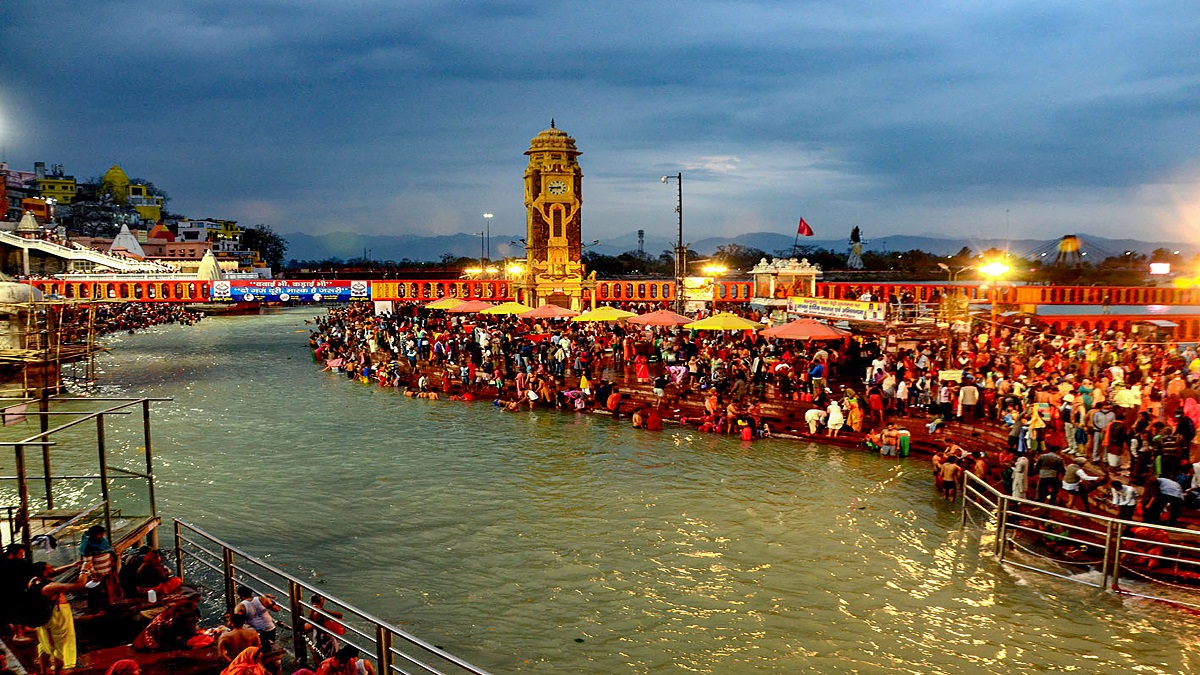
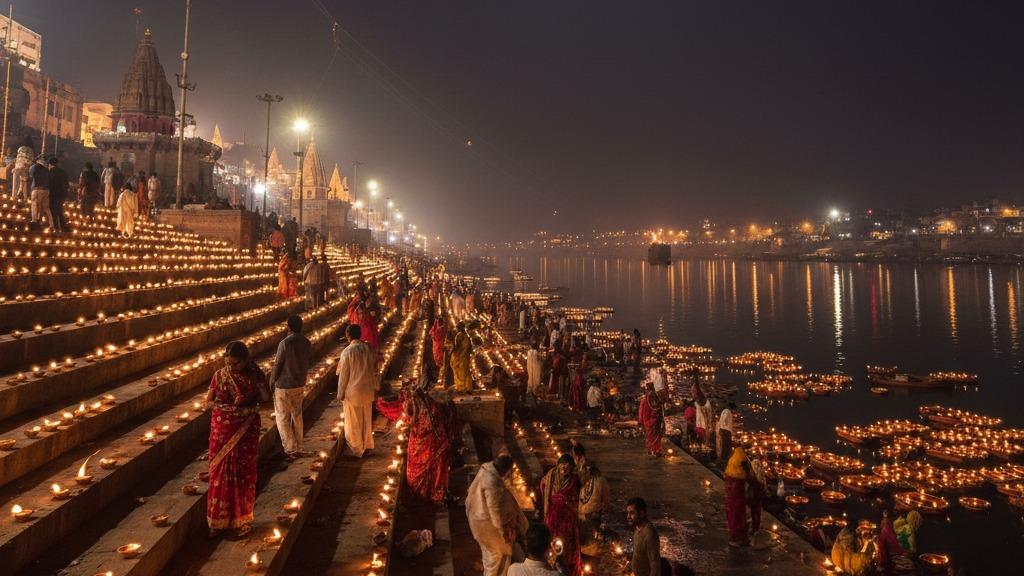
Dev Diwali 2026: Date, Significance, Rituals, Deep Daan & Puja Samagri Dev Diwali, also known as Dev Deepawali or the Diwali of the Gods, is one of the most beautiful and spiritually significant festivals in Hindu tradition. Celebrated on Kartik Purnima, this auspicious occasion is associated with the victory of Lord Shiva over the demon Tripurasura. According to Hindu beliefs, the gods celebrate this divine victory by lighting lamps in the heavens. Devotees celebrate the occasion by lighting hundreds of diyas, performing prayers, offering Deep Daan and worshipping Lord Shiva and Lord Vishnu. The festival is especially famous in Varanasi, where the ghats of the holy River Ganga glow with thousands of earthen lamps, creating a magnificent spiritual atmosphere. Dev Diwali in 2026 will be celebrated on Tuesday, 24 November 2026, on the auspicious occasion of Kartik Purnima. Important Date and Timings: Festival: Dev Diwali / Dev Deepawali Date: Tuesday, 24 November 2026 Tithi: Kartik Shukla Purnima Purnima Tithi Begins: 11:42 PM on 23 November 2026 Purnima Tithi Ends: 8:23 PM on 24 November 2026 Deep Daan: Evening during Pradosh Kaal The Pradosh Kaal muhurat in Varanasi is 5:08 PM to 7:47 PM. Timings may vary depending on the location, so devotees should follow their local Panchang. What Is Dev Diwali? Dev Diwali literally means the Diwali of the Gods. It is celebrated fifteen days after the main Diwali festival, on the full moon day of Kartik month. Unlike the main Diwali festival, which is associated with the return of Lord Rama to Ayodhya and the worship of Goddess Lakshmi, Dev Diwali is particularly associated with Lord Shiva's victory over Tripurasura. Devotees believe that on this day the gods descend to Earth to celebrate the divine victory and take part in the festivities. Lighting diyas, offering prayers and performing Deep Daan are among the most important traditions of this festival. Religious Significance of Dev Diwali Dev Diwali holds great religious and spiritual importance in Hinduism. Some important beliefs associated with this festival include: It celebrates the victory of good over evil. It commemorates Lord Shiva's victory over Tripurasura. Lighting diyas symbolises the removal of darkness and ignorance. Deep Daan is considered a sacred act of devotion and charity. Kartik Purnima is considered an auspicious day for prayer, charity and holy bathing. Devotees worship Lord Shiva, Lord Vishnu and other deities on this occasion. The festival encourages people to follow the path of truth, devotion, kindness and righteousness. The Story Behind Dev Diwali According to Hindu mythology, three powerful demon brothers named Tarakaksha, Kamalaksha and Vidyunmali performed intense penance and received a boon to build three magnificent cities known as Tripura. These three cities were made of gold, silver and iron and became extremely powerful. The demons began troubling the gods and disturbing the balance of the universe. To protect the universe and restore peace, Lord Shiva took the form of Tripurantaka and destroyed the three cities with a single divine arrow. This victory is celebrated as Tripurari Purnima or Tripurotsav. According to tradition, the gods celebrated Lord Shiva's victory by lighting lamps. This divine celebration is remembered as Dev Diwali. Why Is Dev Diwali Famous in Varanasi? Varanasi, also known as Kashi, is one of the most sacred cities in Hinduism. Dev Diwali is celebrated on a grand scale along the ghats of the River Ganga. Thousands of devotees and visitors gather to witness the beautiful sight of illuminated ghats. The main attractions include: Lighting thousands of earthen diyas along the Ganga ghats. Performing Ganga Aarti. Offering Deep Daan to the holy river. Visiting temples and offering prayers. Participating in religious ceremonies and cultural programmes. The illuminated ghats create a peaceful and divine atmosphere that makes Dev Diwali a memorable experience. Dev Diwali Puja Samagri List Here is a useful checklist of commonly used puja samagri: Earthen diyas (mitti ke diye) Cotton wicks (batti) Pure ghee or diya oil Haldi and Kumkum Roli and Akshat Fresh flowers and garlands Agarbatti (incense sticks) Dhoop or Sambrani Kapoor (camphor) Panchamrit Fruits and sweets Coconut Betel leaves and betel nuts Gangajal Puja thali Brass bell Red or yellow cloth Water-filled kalash The exact requirements may differ according to family traditions and regional customs. Dev Diwali Puja Vidhi: How to Perform Puja at Home Devotees can celebrate Dev Diwali at home by following these traditional steps. 1. Clean the House and Puja Area 2. Take a Holy Bath 3. Worship Lord Shiva 4. Perform Vishnu Puja 5. Light Diyas 6. Perform Deep Daan 7. Perform Aarti What Is Deep Daan and Why Is It Important? Deep Daan means offering or donating a lighted lamp as a sacred act of devotion. It is one of the most important rituals of Dev Diwali. Devotees light earthen lamps and offer them at temples, riverbanks and other sacred places. According to Hindu beliefs, Deep Daan represents: Removal of darkness and ignorance. Spiritual awakening and positivity. Gratitude towards the divine. Devotion and selflessness. Prayers for peace and prosperity. If you are performing Deep Daan at home, use a clean and safe place for lighting diyas. Importance of Puja Essentials During Dev Diwali Every puja item has a special place in Hindu worship. Diya and Cotton Wicks: Used for lighting lamps and performing aarti. They symbolise light, devotion and positivity. Ghee: Traditionally used for lighting sacred diyas during religious ceremonies. Agarbatti: Creates a pleasant fragrance and a devotional atmosphere during worship. Sambrani and Dhoop: Traditionally used during puja and religious ceremonies. Kapoor: Commonly used during aarti as an offering to the deities. Haldi and Kumkum: Important traditional items used in Hindu rituals and worship. Preparing these essentials in advance helps devotees perform their rituals peacefully. Conclusion Dev Diwali is a beautiful festival that celebrates the victory of good over evil and the power of divine light. The sight of thousands of glowing diyas reminds us that even a small light can remove darkness. Whether you celebrate Dev Diwali at the holy ghats of Varanasi or in your own home, the true spirit of the festival lies in devotion, gratitude and kindness. Celebrate Dev Diwali 2026 with traditional puja rituals, beautiful earthen diyas and heartfelt prayers. May the divine light bring peace, happiness and prosperity to every home.

Spiritual दैनंदिन पूजा विधी: एक सोपी मार्गदर्शिका
Sargandha admin · 2 MONTHS AGO

दैनंदिन पूजा विधी: एक सोपी मार्गदर्शिका

दैनंदिन पूजा अर्थपूर्ण होण्यासाठी विस्तृत असण्याची गरज नाही — तिच्या मुळाशी कृतज्ञता आणि नात्याची एक शांत, सातत्यपूर्ण कृती आहे. बहुतेक परंपरा पूजास्थान स्वच्छ करून दिवा आणि उदबत्ती लावण्यापासून सुरू होतात, त्यानंतर निवडलेल्या देवतेच्या उपस्थितीसाठी आणि आशीर्वादासाठी एक संक्षिप्त आवाहन केले जाते. फुले, पाणी, कुंकवाचा टिळा आणि नैवेद्य (भक्तिभावाने अर्पण केलेले अन्न) यांसारख्या गोष्टी हात जोडून अर्पण केल्या जातात, अनेकदा एखाद्या आवडत्या मंत्रासह किंवा आरतीसह. क्रम — शुद्धीकरण, आवाहन, अर्पण आणि समारोपाची प्रार्थना — यामागील प्रामाणिक भावनेइतका महत्त्वाचा नाही; दररोज सकाळचे पाच एकाग्र मिनिटेही उर्वरित दिवस स्थिर ठेवू शकतात.  भारतीय संस्कृतीमध्ये दैनंदिन पूजेला विशेष महत्त्व आहे. सकाळी उठल्यानंतर देवाचे स्मरण करणे, देवघर स्वच्छ ठेवणे, दिवा लावणे आणि प्रार्थना करणे ही अनेक घरांमध्ये पिढ्यानपिढ्या चालत आलेली परंपरा आहे. दैनंदिन पूजा म्हणजे केवळ धार्मिक विधी नसून मन शांत ठेवण्याचा, कृतज्ञता व्यक्त करण्याचा आणि दिवसाची सुरुवात सकारात्मक विचारांनी करण्याचा एक सुंदर मार्ग आहे. रोजच्या पूजेसाठी खूप मोठे विधी किंवा भरपूर साहित्य आवश्यक नसते. श्रद्धा, स्वच्छता आणि मनापासून केलेली छोटीशी प्रार्थनाही महत्त्वाची असते. या लेखात आपण दैनंदिन पूजा विधी, पूजेसाठी आवश्यक साहित्य, पूजा करण्याची सोपी पद्धत आणि रोज म्हणता येणारे काही मंत्र जाणून घेणार आहोत. 1. सकाळी उठल्यानंतर देवाचे स्मरण करा दिवसाची सुरुवात शांत मनाने आणि देवाच्या स्मरणाने करावी. सकाळी उठल्यानंतर आपल्या श्रद्धेनुसार इष्टदेवतेचे स्मरण करा. त्यानंतर स्नान करून स्वच्छ कपडे परिधान करा. पूजा करण्यापूर्वी हात-पाय स्वच्छ धुऊन देवघरात जावे. 2. देवघर स्वच्छ करा दैनंदिन पूजेतील पहिली महत्त्वाची गोष्ट म्हणजे देवघराची स्वच्छता. देवघरातील देवांच्या मूर्ती आणि फोटो स्वच्छ ठेवा. पूजेचे आसन आणि पाट स्वच्छ ठेवा. मागील दिवसाची फुले काढून टाका. पूजेची भांडी स्वच्छ ठेवा. देवघरात ताज्या फुलांची सजावट करा. स्वच्छ आणि नीटनेटके देवघर मनाला प्रसन्नता देते. 3. दैनंदिन पूजेसाठी आवश्यक साहित्य रोजच्या पूजेसाठी खालील साहित्य उपयोगी पडते. देवाच्या मूर्ती किंवा फोटो पूजेची थाळी तांब्या किंवा पाण्याचे पात्र दिवा तूप किंवा तेल कापसाच्या वाती अगरबत्ती किंवा धूप हळद आणि कुंकू अक्षता (तांदूळ) ताजी फुले चंदन किंवा गंध घंटा नैवेद्यासाठी फळे किंवा गोड पदार्थ कापूर आणि आरतीचे साहित्य आपल्या घरातील परंपरा आणि श्रद्धेनुसार या साहित्यामध्ये बदल करू शकता. 4. दिवा लावा दैनंदिन पूजेमध्ये दिवा लावण्याला विशेष महत्त्व आहे. स्वच्छ दिव्यामध्ये तूप किंवा तेल घालून कापसाची वात लावा. आपल्या घरातील परंपरेनुसार देवासमोर दिवा प्रज्वलित करा. दिवा लावताना पुढील मंत्र म्हणू शकता: शुभं करोति कल्याणम् आरोग्यं धनसंपदा। शत्रुबुद्धिविनाशाय दीपज्योतिर्नमोऽस्तुते॥ या मंत्राद्वारे आपण शुभता, आरोग्य आणि कल्याणासाठी प्रार्थना करतो. 5. अगरबत्ती किंवा धूप लावा दिवा लावल्यानंतर अगरबत्ती किंवा धूप लावू शकता. अगरबत्ती आणि धूप यांचा सुगंध पूजेच्या वातावरणाला प्रसन्न बनवतो. आपल्या आवडीनुसार चंदन, फुलांचा किंवा इतर सुगंध निवडू शकता. काही घरांमध्ये सकाळच्या पूजेमध्ये धूप, धुनी किंवा सांब्राणी कपांचाही वापर केला जातो. 6. देवाला हळद, कुंकू, अक्षता आणि फुले अर्पण करा पूजेच्या वेळी आपल्या परंपरेनुसार देवाला हळद, कुंकू, चंदन, अक्षता आणि ताजी फुले अर्पण करा. फुले अर्पण करताना मनात आपल्या कुटुंबाच्या सुख-समृद्धीसाठी आणि सर्वांच्या कल्याणासाठी प्रार्थना करा. प्रत्येक देवतेच्या पूजेमध्ये अर्पण करण्याची पद्धत वेगळी असू शकते. त्यामुळे आपल्या घरातील परंपरेचे पालन करावे. 7. देवाला नैवेद्य दाखवा दैनंदिन पूजेमध्ये देवाला नैवेद्य अर्पण करण्याची प्रथा आहे. नैवेद्यासाठी खालील पदार्थ वापरू शकता: साखर किंवा खडीसाखर फळे दूध गूळ घरात तयार केलेला गोड पदार्थ आपल्या परंपरेनुसार सात्त्विक अन्न नैवेद्य अर्पण करताना देवाचे स्मरण करून मनापासून प्रार्थना करा. 8. मंत्रजप आणि प्रार्थना करा पूजेदरम्यान काही वेळ शांत बसून मंत्रजप किंवा देवाचे नामस्मरण करावे. आपल्या श्रद्धेनुसार खालील मंत्र म्हणू शकता: श्री गणेश मंत्र: ॐ गं गणपतये नमः॥ श्री विष्णू मंत्र: ॐ नमो भगवते वासुदेवाय॥ शिव मंत्र: ॐ नमः शिवाय॥ गायत्री मंत्र: ॐ भूर्भुवः स्वः। तत्सवितुर्वरेण्यं। भर्गो देवस्य धीमहि। धियो यो नः प्रचोदयात्॥ यापैकी आपल्या इष्टदेवतेचा मंत्र किंवा आवडता मंत्र श्रद्धेने म्हणू शकता. 9. देवाची आरती करा पूजेच्या शेवटी आपल्या घरातील परंपरेनुसार देवाची आरती करावी. आरतीसाठी कापूर किंवा तुपाचा दिवा वापरू शकता. आरती म्हणताना घंटा वाजवून संपूर्ण कुटुंबाने सहभागी व्हावे. आरतीनंतर देवाला नमस्कार करून प्रसाद सर्वांना वाटावा. 10. पूजेनंतर प्रसाद ग्रहण करा पूजा पूर्ण झाल्यानंतर देवाला अर्पण केलेला नैवेद्य प्रसाद म्हणून ग्रहण करावा. प्रसाद कुटुंबातील सदस्यांना आणि शक्य असल्यास इतरांनाही वाटावा. अशा प्रकारे रोजची साधी आणि सात्त्विक पूजा पूर्ण होते. दैनंदिन पूजा किती वेळ करावी? दैनंदिन पूजेसाठी ठरावीक वेळेची सक्ती नाही. आपल्या वेळेनुसार आणि घरातील परंपरेनुसार पूजा करू शकता. 5 मिनिटे: देवाचे स्मरण, दिवा लावणे आणि नमस्कार. 10 ते 15 मिनिटे: दिवा, अगरबत्ती, फुले, मंत्रजप आणि आरती. 20 ते 30 मिनिटे: संपूर्ण पूजा, मंत्रजप, नैवेद्य आणि आरती. महत्त्वाचे म्हणजे पूजा घाईघाईने न करता शांत मनाने आणि श्रद्धेने करावी. दैनंदिन पूजा करताना लक्षात ठेवण्याच्या महत्त्वाच्या गोष्टी पूजा करण्यापूर्वी स्वच्छता आणि शुद्धतेची काळजी घ्या. देवघर नियमित स्वच्छ ठेवा. दिवा आणि अगरबत्ती सुरक्षित ठिकाणी लावा. पूजेचे साहित्य स्वच्छ आणि व्यवस्थित ठेवा. आपल्या घरातील धार्मिक परंपरांचे पालन करा. पूजा करताना मन शांत आणि प्रसन्न ठेवा. एखाद्या दिवशी वेळ कमी असल्यास देवाचे स्मरण आणि छोटी प्रार्थना अवश्य करा. निष्कर्ष दैनंदिन पूजा हा आपल्या भारतीय संस्कृतीचा एक सुंदर भाग आहे. रोज सकाळी काही मिनिटे देवाचे स्मरण करणे, दिवा लावणे, फुले अर्पण करणे आणि प्रार्थना करणे यामुळे दिवसाची सुरुवात शांततेने करता येते. पूजेसाठी मोठ्या विधींची आवश्यकता नसते. मनातील श्रद्धा, स्वच्छता आणि कृतज्ञता या गोष्टी अधिक महत्त्वाच्या आहेत. आपल्या घरातील परंपरेनुसार रोजची पूजा करा आणि आपल्या कुटुंबासोबत भक्ती, संस्कार आणि सकारात्मकतेची ही सुंदर परंपरा जपून ठेवा. Yugantar सोबत आपल्या दैनंदिन पूजेसाठी आवश्यक पूजा साहित्य एकाच ठिकाणी शोधा आणि भक्तीची परंपरा जपा.