Goddess Durga: The Divine Mother, Symbol of Strength, Courage, and Protection
Goddess Durga, also lovingly known as Maa Durga, is one of the most powerful and revered goddesses in Hinduism. She represents divine feminine energy, strength, courage, protection, wisdom, and the victory of good over evil. Millions of devotees across India and around the world worship Goddess Durga with deep faith and devotion.
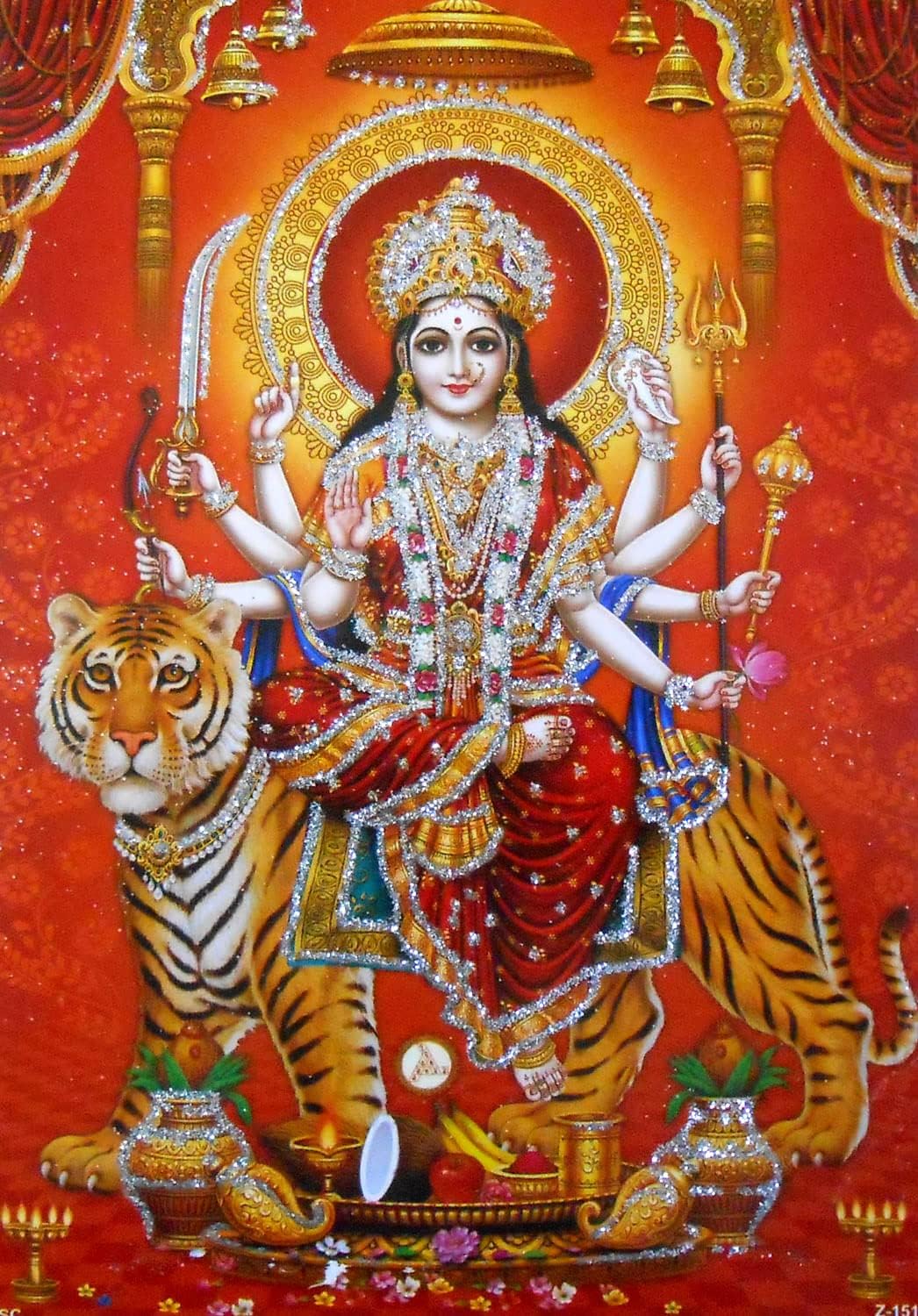
Goddess Durga is commonly depicted riding a lion or tiger and carrying different weapons in her multiple hands. Goddess Durga also known as Adi Shakti, Mahashakti, Jagadamba, Bhavani, and Ambe.
According to Hindu mythology, a powerful demon .Mahishasura received a boon that made him nearly impossible to defeat. He began attacking the heavens and troubling the gods. Unable to defeat him, the gods approached Lord Brahma, Lord Vishnu, and Lord Shiva for help.
The divine energies of the gods combined to create a powerful goddess. This divine feminine energy took the form of Goddess Durga. Each god offered her a divine weapon:
- Lord Shiva gifted her a trident.
- Lord Vishnu gifted her a Sudarshan Chakra.
- Lord Indra gifted her a thunderbolt.
- Lord Varuna gifted her a conch.
- Lord Agni gifted her a spear.
- Lord Vayu gifted her a bow and arrows.
- Lord Himalaya offered her a lion as her vehicle.
Armed with divine powers, Goddess Durga fought Mahishasura in a fierce battle that lasted nine days and nights. On the tenth day, she defeated and destroyed the demon. This victory symbolizes the triumph of good over evil and is celebrated as Vijayadashami or Dussehra in many parts of India.
Goddess Durga is traditionally portrayed as a beautiful and powerful goddess with multiple arms, a radiant face, and a majestic lion or tiger. Every aspect of her appearance carries a deeper spiritual meaning.Goddess Durga is commonly depicted with multiple arms symbolizing her unlimited divine power and her ability to protect the universe in all directions. Her lion or tiger represents courage, strength, fearlessness, and control over negative emotions.
The weapons in her hands represent protection, justice, wisdom, and the destruction of evil.Despite her powerful appearance, Maa Durga has a calm and compassionate expression.Goddess Durga is often dressed in red, which symbolizes energy, action, power, and prosperity.
Nine Forms of Goddess Durga Worshipped During Navratri
Each day of Navratri is dedicated to a different form of Goddess Durga. These nine forms are known as Navdurga.
- Maa Shailputri: The daughter of the Himalayas, symbolizing strength, purity, and devotion.
- Maa Brahmacharini: Represents dedication, wisdom, patience, and spiritual discipline.
- Maa Chandraghanta: Symbolizes courage, bravery, and protection from negativity.
- Maa Kushmanda: Believed to be the creator of the universe, representing energy and prosperity.
- Maa Skandamata: The mother of Lord Skanda, symbolizing motherhood, love, and compassion.
- Maa Katyayani: Represents courage and the power to destroy evil.
- Maa Kalaratri: A fierce form of the Goddess who protects devotees from fear and negativity.
- Maa Mahagauri: Symbolizes peace, purity, and forgiveness.
- Maa Siddhidatri: The Goddess who blesses devotees with wisdom, spiritual achievements, and divine knowledge.
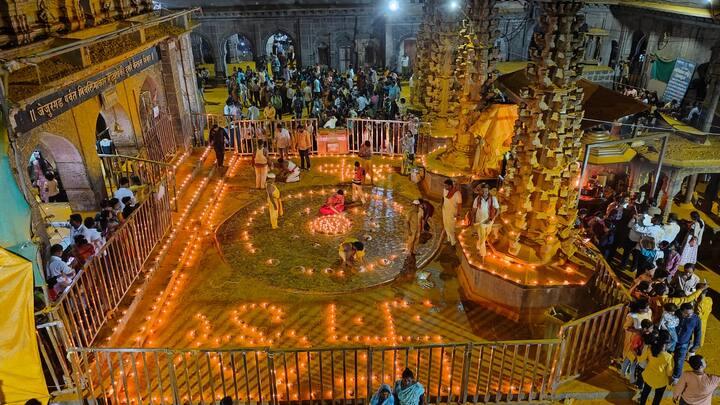
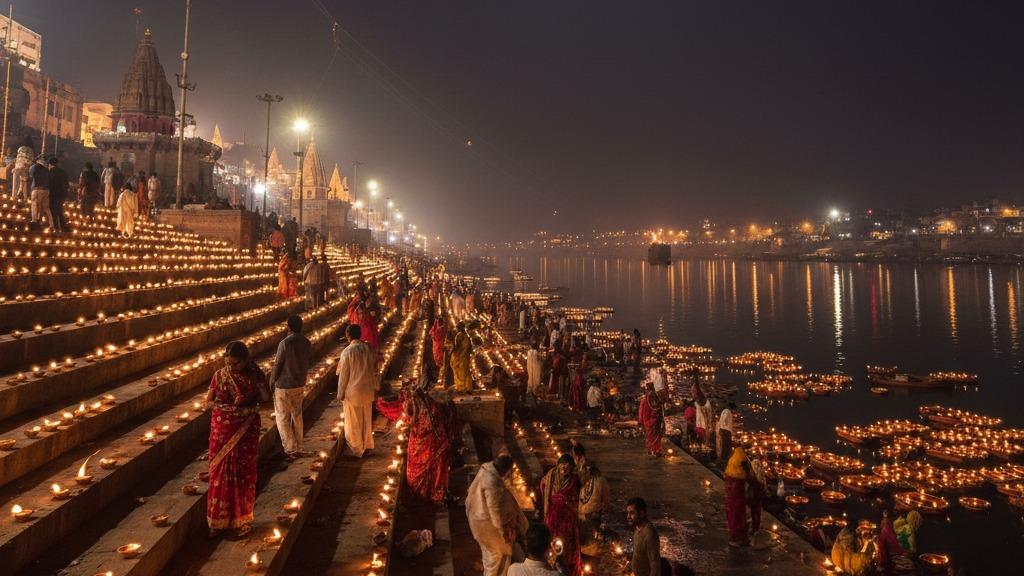
Navratri is celebrated differently across India, reflecting the country's rich cultural diversity:
- Durga Puja: In West Bengal and other eastern regions, beautifully decorated pandals are created to worship Goddess Durga.
- Garba and Dandiya: Gujarat celebrates Navratri with energetic Garba and Dandiya Raas dances.
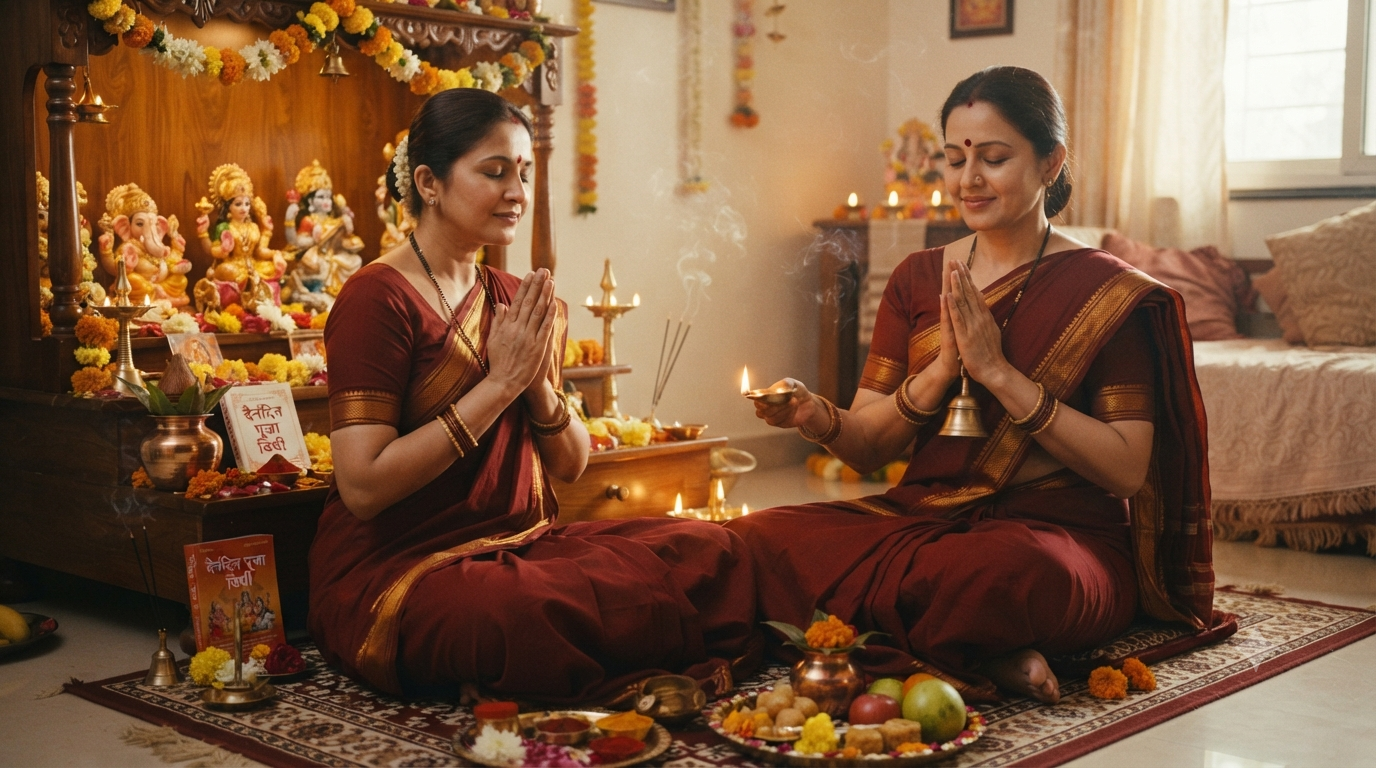
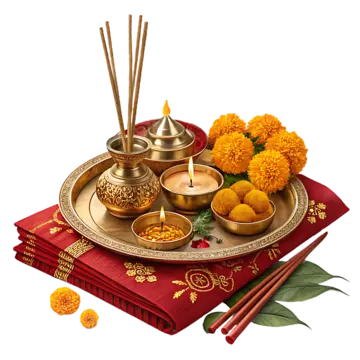
- Fasting and Prayers: Many devotees observe fasts and offer prayers to Goddess Durga.
- Kanya Pujan: Young girls are worshipped as manifestations of the divine feminine during Ashtami or Navami.
- Ram Navami: In Chaitra Navratri, the ninth day is celebrated as the birth anniversary of Lord Rama.
The festival usually culminates in Vijayadashami, when the idols are taken in processions for immersion.
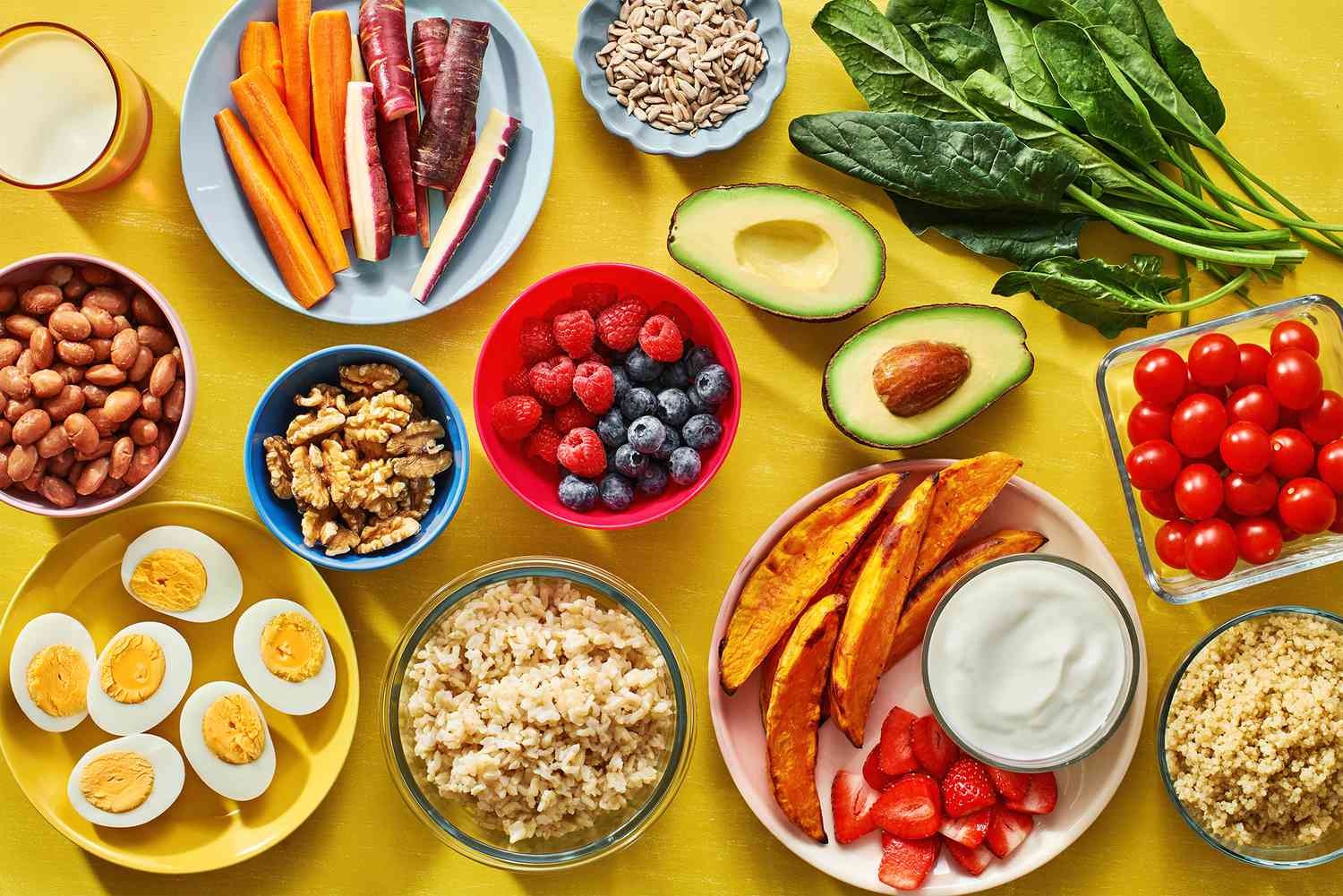
Fasting is an important tradition followed by many devotees during Navratri. It is considered a way to practice self-discipline, devotion, and spiritual purification.People often consume fruits, milk, sabudana, kuttu flour, and other fasting-friendly foods. Fasting practices vary according to family traditions and personal health.
Navratri is not just a festival; it is a celebration of divine feminine energy, faith, courage, and devotion. The nine forms of Goddess Durga inspire us to become stronger, kinder, wiser, and more confident.
As we celebrate these nine sacred nights, may Maa Durga bless everyone with happiness, prosperity, good health, courage, and protection.
Jai Mata Di! May the Divine Mother always guide and protect us.