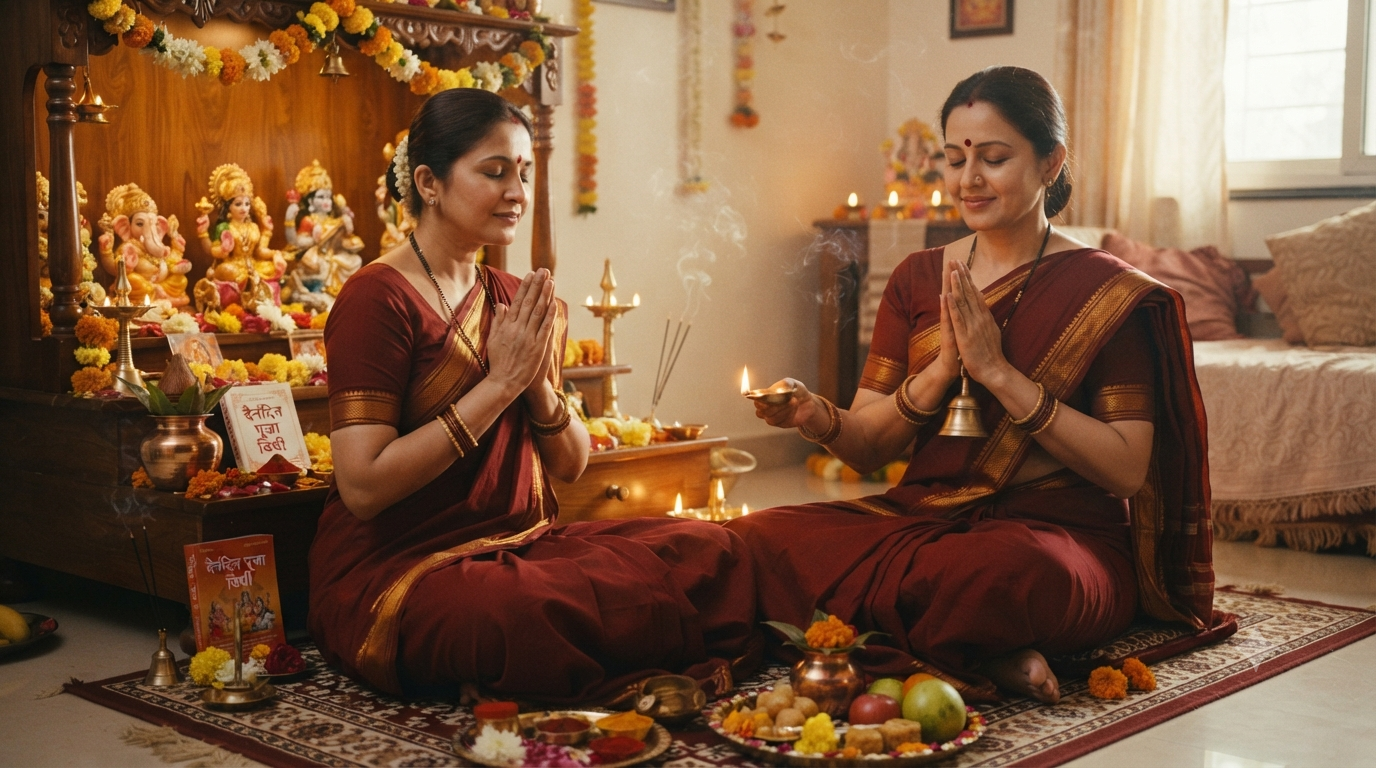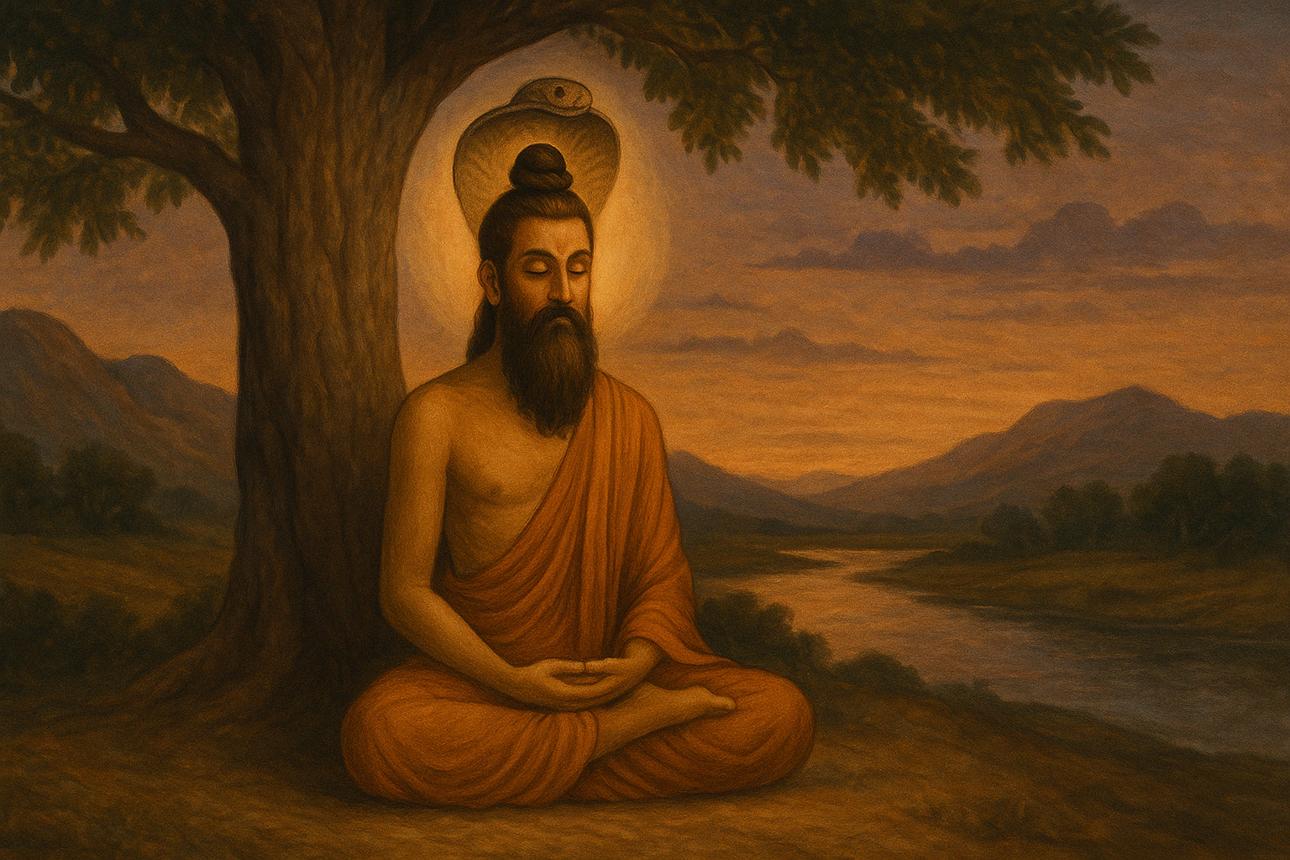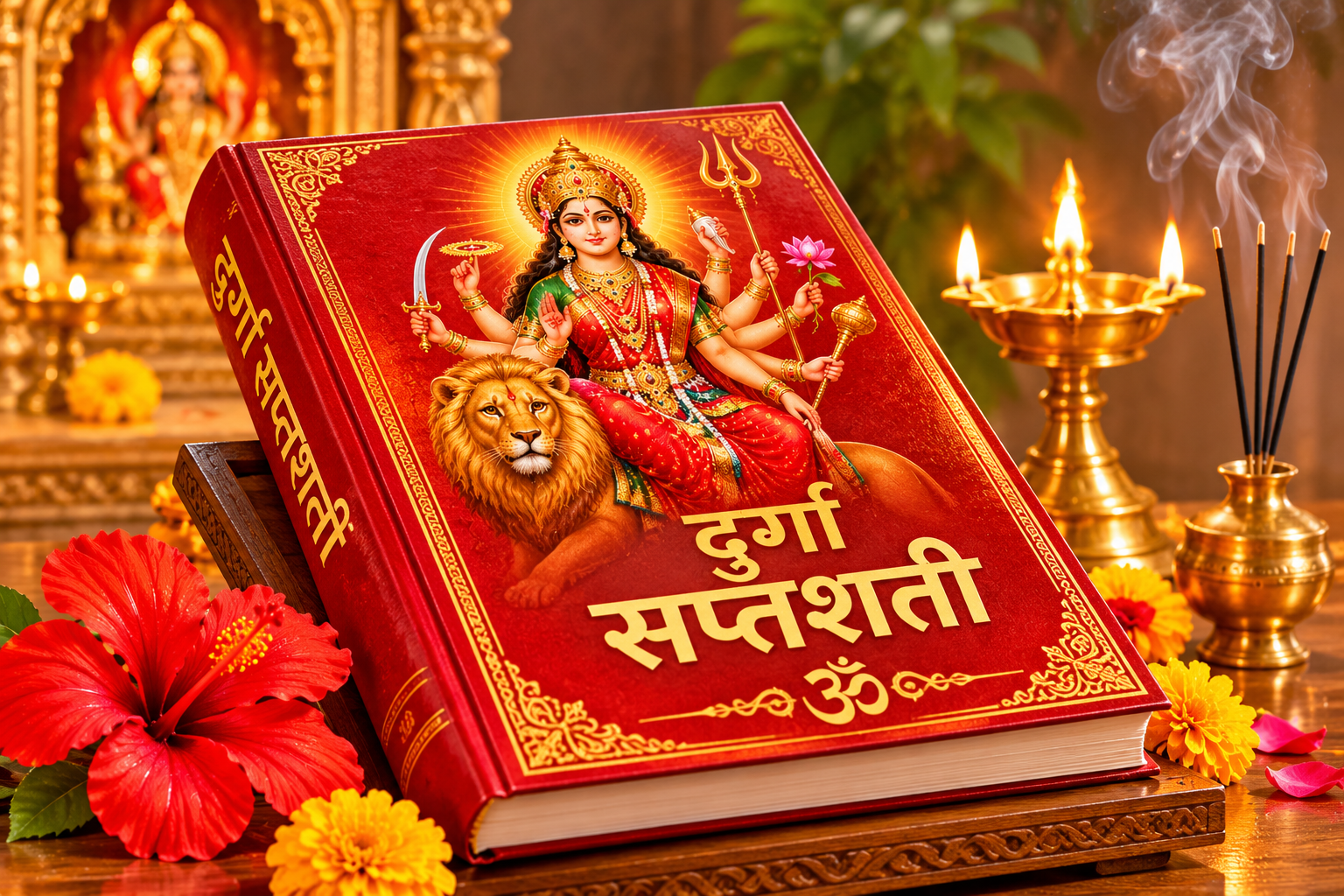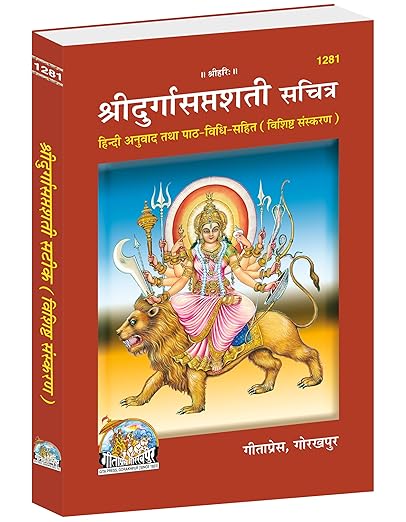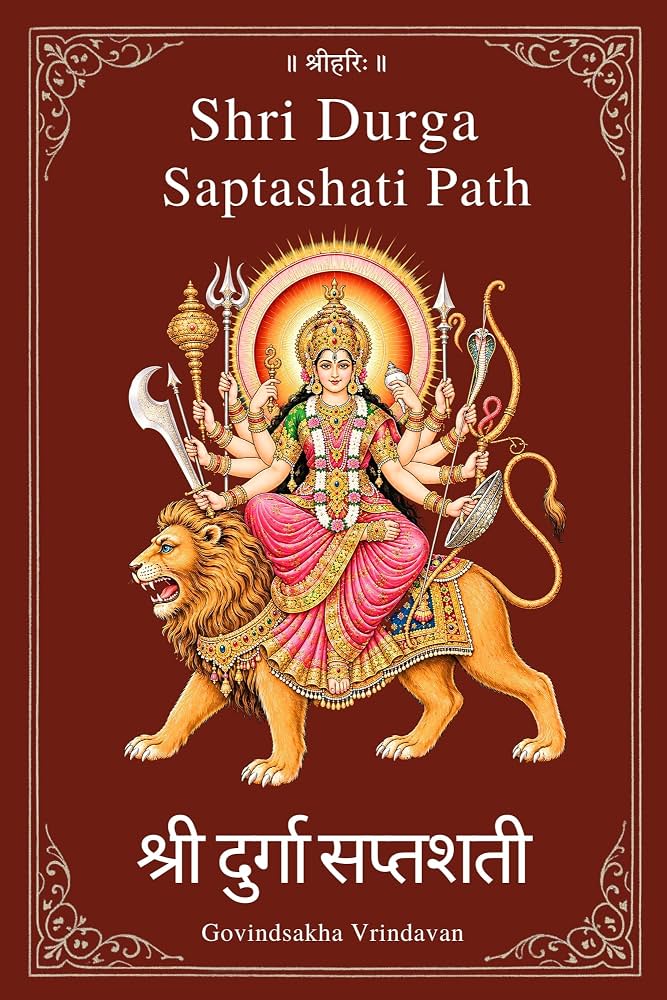

A daily puja need not be elaborate to be meaningful, at its heart, it is a quiet, consistent act of gratitude and connection. Most traditions begin with cleaning the puja space and lighting a lamp (diya) and incense, followed by a short invocation asking for the presence and blessings of the chosen deity. Offerings such as flowers, water, a tilak of kumkum, and naivedya (food offered in devotion) are presented with folded hands, often accompanied by a favourite mantra or aarti. The order, purification, invocation, offering, and closing prayer, matters less than the sincerity behind it; even five focused minutes each morning can anchor the rest of the day. Many households keep a fixed time, typically at sunrise, to build the ritual into a steady habit rather than an occasional obligation. Ultimately, daily puja is less about ceremony and more about cultivating a regular pause for reflection, humility and gratitude amid life's routine.
Daily puja is an important part of Indian culture and Hindu traditions. Beginning the day with prayers and remembering God brings a sense of peace, devotion and positivity into our daily lives.
Many people believe that performing puja requires a long ritual or an extensive collection of पूजा materials. However, daily worship can be simple and meaningful with a few essential puja items and sincere devotion.
Whether you have a dedicated home temple or a small prayer corner, you can follow a simple daily puja routine according to your family traditions.
In this guide, we will explain the daily puja vidhi, essential puja samagri and simple steps to perform worship at home.
1. Wake Up and Remember God
Traditionally, daily puja begins with remembering God after waking up in the morning.
- Wake up early whenever possible.
- Take a bath and wear clean clothes.
- Begin your day with a peaceful mind.
- Remember your Ishta Devta (chosen deity).
- Prepare yourself for prayer and worship.
Starting the morning with gratitude and devotion helps create a positive mindset.
2. Clean Your Home Temple
Before beginning puja, clean your home temple or prayer area.
Follow these simple steps:
- Clean the puja platform and surrounding area.
- Wipe the idols and pictures with a clean, soft cloth.
- Remove old flowers and dried leaves.
- Clean the diya and incense holder.
- Arrange fresh flowers and puja items neatly.
A clean and organised prayer space creates a peaceful environment for worship.
3. Essential Puja Samagri for Daily Worship
You do not need many items for daily puja. Some basic puja essentials are enough to follow a simple worship routine.
Daily Puja Samagri Checklist
- Diya (oil or ghee lamp)
- Cotton wicks (Batti)
- Ghee or sesame oil
- Agarbatti (incense sticks)
- Dhoop or Sambrani
- Camphor (Kapoor)
- Roli and Kumkum
- Akshat (uncooked rice)
- Chandan (sandalwood paste)
- Fresh flowers
- Water in a small vessel
- Puja thali
- Bell (Ghanti)
- Prasad or fruits
You can choose the items according to your family traditions and the deity you worship.
4. Light the Diya
Lighting a diya is one of the most important parts of traditional Hindu worship.
Place a clean diya in front of the deity and use a cotton wick with ghee or oil.
While lighting the diya, remember God and pray for peace, happiness and prosperity for your family.
A diya symbolises light, knowledge and the removal of darkness.
5. Offer Agarbatti and Dhoop
After lighting the diya, offer agarbatti or dhoop to the deity.
The pleasant fragrance of incense creates a devotional atmosphere in the prayer area.
You can choose from different varieties, such as:
- Traditional agarbatti
- Bambooless incense sticks
- Natural incense
- Dhoop sticks
- Sambrani cups
Use incense products according to your preference and ensure proper ventilation.
6. Apply Tilak and Offer Flowers
Apply roli, kumkum or chandan tilak to the deity according to your tradition.
Next, offer fresh flowers or a flower garland.
You can also offer akshat (uncooked rice) as part of the worship.
Different deities may have different traditional offerings, so follow the customs practised in your family.
7. Chant Mantras and Pray
Mantra chanting is an important part of daily puja. It helps bring focus and devotion during worship.
Here are some commonly recited Hindu mantras:
Lord Ganesha Mantra
Om Gan Ganapataye Namah.
Lord Shiva Mantra
Om Namah Shivaya.
Lord Vishnu Mantra
Om Namo Bhagavate Vasudevaya.
Goddess Durga Mantra
Om Dum Durgaye Namah.
You may chant your preferred mantra 11, 21 or 108 times, depending on your time and tradition.
Even a few minutes of sincere prayer can make your daily worship meaningful.
8. Perform Aarti
Aarti is generally performed towards the end of daily puja.
Light the camphor or use an aarti diya, according to your family tradition.
Move the aarti plate gently in front of the deity while singing devotional aarti.
You may ring the temple bell during aarti and invite family members to participate.
After completing the aarti, fold your hands and pray for the well-being of your family.
9. Offer Prasad
After completing the prayers, offer prasad to God.
Some common offerings include:
- Fresh fruits
- Mishri
- Homemade sweets
- Dry fruits
- Traditional homemade prasad
After offering it to the deity, distribute the prasad among family members.
This completes the daily puja with gratitude and devotion.
10. Important Things to Remember During Daily Puja
Here are some simple practices to maintain during everyday worship:
- Keep the home temple clean.
- Use clean puja utensils and materials.
- Remove dried flowers regularly.
- Keep the diya in a safe place.
- Avoid leaving burning incense unattended.
- Maintain a peaceful environment during prayers.
- Follow your family traditions.
- Perform puja with sincerity rather than focusing only on rituals.
How Much Time Should You Spend on Daily Puja?
There is no fixed duration for daily puja. You can decide the time according to your daily routine.
Here is an example of a simple 15-minute morning puja routine:
| Puja Activity | Time |
|---|---|
| Cleaning the temple | 2 minutes |
| Lighting diya and agarbatti | 2 minutes |
| Offering flowers and tilak | 2 minutes |
| Mantra chanting and prayer | 5 minutes |
| Aarti and prasad | 4 minutes |
| Total | 15 minutes |
The most important part of daily worship is devotion and consistency, not the number of minutes spent.
Conclusion
Daily puja is a beautiful way to begin your day with faith, gratitude and devotion. You do not need complicated rituals or an elaborate arrangement to worship at home.
A clean prayer space, a diya, agarbatti, fresh flowers, simple prayers and sincere devotion are enough to create a meaningful daily worship routine.
Follow the puja practices that suit your family traditions and make daily worship a peaceful part of your everyday life.
Make your daily worship more meaningful with Yugantar – Your destination for essential puja samagri and devotional products.